


Industry News & Insights
OEM / ODM Manufacturing Blog
Expert guides, market trends, formulation tips & compliance updates from Malaysia's premier contract manufacturer.
Blog

10 Best Contract Hair Care Manufacturing Companies?
Choosing among the 10 Best Contract Hair Care Manufacturing Companies requires more than comparing glossy websites. A capable partner should combine formulation expertise, dependable production, quality systems, and transparent communication. Contract Hair Care Manufacturing now supports shampoos, conditioners, scalp serums, masks, oils, and waterless formats. Each category brings different testing, filling, packaging, and stability requirements.
Market demand continues to expand. Grand View Research estimates that the global hair care market reached approximately USD 90.40 billion in 2023. Its report projects a compound annual growth rate of about 3.0% from 2024 to 2030. Euromonitor International’s Beauty and Personal Care research also highlights premiumization, ingredient transparency, and scalp-care innovation. These trends affect product briefs, minimum order quantities, and launch timelines. They also raise expectations for evidence-based claims.
Not every large factory is the right fit. Important questions include: Can the manufacturer match your target texture? Can it document raw-material traceability? Does it provide pilot batches before full production? A polished sample can still hide weak communication. This guide evaluates leading manufacturers through practical criteria, including formulation support, certifications, quality control, packaging capability, sustainability practices, and commercial flexibility. Rankings remain subjective. A supplier suitable for a salon brand may not suit a high-volume retailer. That distinction matters. Expect trade-offs. A lower minimum order may mean fewer customization options, while faster production may limit packaging choices. Careful due diligence remains essential before signing any manufacturing agreement.
Read more »
 By:Ethan
- September 16, 2026
By:Ethan
- September 16, 2026
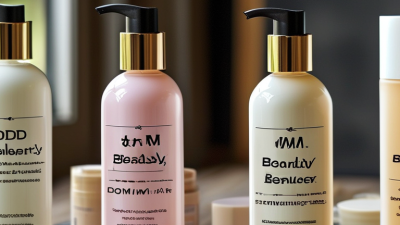
How to Find Reliable ODM Body Care Products Suppliers?
Reliable sourcing has become central to the growth of ODM Body Care Products. McKinsey reported that the global beauty market could reach approximately $580 billion by 2027. Skincare remains the largest segment, representing about 40% of the market. Body care continues to benefit from this wider demand.
The opportunity is real.
However, rapid growth can hide weak supplier practices. Grand View Research estimated the global cosmetics contract manufacturing market at more than $20 billion in 2023. Its forecast also indicates continued expansion through 2030. These figures show stronger demand for formulation, production, packaging, and private-label expertise. They do not prove that every factory is dependable.
BeautyMatter founder Kelly Kovack has often emphasized that beauty is “a business, not a hobby.” That reminder matters when evaluating an ODM partner. A serious supplier should provide clear ingredient documentation, realistic production timelines, stability-testing evidence, and traceable quality procedures. A polished website is not enough. Neither is a very low quotation.
A practical evaluation should examine factory photographs, batch records, sample consistency, packaging tolerances, and communication speed. Request recent test reports, not generic certificates. Ask who owns the formula and how changes are approved. Some suppliers may appear efficient but outsource critical steps without clear disclosure.
No checklist is perfect. I have seen how small details, such as leaking pumps or inconsistent fragrance strength, can damage an otherwise promising launch. This guide explains how to compare ODM Body Care Products suppliers with greater discipline, transparency, and commercial judgment.
Read more »
 By:Aurora
- September 11, 2026
By:Aurora
- September 11, 2026
How to Source Private Label Skin Care Products in 2026?
Sourcing Private Label Skin Care Products in 2026 requires more than choosing attractive packaging and a low minimum order quantity. Buyers must evaluate formulation quality, supplier experience, documentation, and consumer expectations together. A cream may look luxurious in a glass jar, yet fail after heat exposure, poor preservation, or repeated opening. Small details matter.
Cosmetic chemist Dr. Michelle Wong states, “Natural does not mean safe, and synthetic does not mean dangerous.” This principle is essential when reviewing ingredient lists, marketing claims, and supplier recommendations. A responsible manufacturer should provide complete INCI names, certificates of analysis, microbial testing, stability data, and clear production specifications. Ask how the formula performs after several months, not only how it feels during the first application.
Supplier verification should include factory audits, sample comparisons, batch records, and realistic communication tests. Request three samples when possible. Compare texture, scent, color, packaging fit, and labeling accuracy. Check whether the supplier understands your target market and can support compliant claims. “Chemical-free” is not a credible quality standard.
The process is not always smooth. Samples may differ slightly from production batches. A beautiful product brief may hide weak evidence. Even experienced buyers can overlook packaging compatibility or changing regional requirements. That is why written specifications and independent testing remain valuable.
In 2026, the strongest Private Label Skin Care Products brands will be built through careful questions, measurable quality controls, and honest supplier relationships. Speed helps. Verification protects the brand.
Read more »
 By:Charlotte
- September 11, 2026
By:Charlotte
- September 11, 2026
2026 Top OEM Beauty Cosmetics Manufacturers?
Choosing the right OEM Beauty Cosmetics manufacturer in 2026 requires more than comparing glossy websites or low quotations. Product quality, regulatory discipline, formulation expertise, and communication reliability matter equally. A factory may offer advanced laboratories, yet struggle with small-batch flexibility. Another may provide attractive packaging, but lack consistent documentation.
This guide examines leading manufacturers through practical criteria, including research capabilities, GMP or ISO 22716 practices, ingredient traceability, stability testing, and production capacity. It also considers private-label experience across skincare, makeup, haircare, and personal care. Sample approval, minimum order quantities, lead times, packaging options, and after-sales support deserve close attention. They often determine whether a promising launch remains manageable.
“Top” is not universal.
A suitable partner depends on your market, budget, product category, and growth plan. Reliable manufacturers should explain their testing process clearly and provide accurate batch records, ingredient information, and compliance support. Buyers should independently verify certifications, facility claims, and product documentation before signing contracts. Public information can be incomplete, and some rankings may reflect marketing rather than proven performance. That limitation deserves honest recognition.
The manufacturers discussed here represent different strengths, not identical solutions. Some excel at fast private-label production. Others invest more deeply in custom formulation and sustainable packaging. Real-world performance may change with order volume, project complexity, or regional requirements. Careful sampling and factory communication remain essential. This introduction sets a practical framework for evaluating 2026 OEM Beauty Cosmetics manufacturers with experience, professional judgment, and reasonable caution.
Read more »
By:Charlotte
- September 11, 2026