Industry News & Insights

OEM / ODM Manufacturing Blog

Expert guides, market trends, formulation tips & compliance updates from Malaysia's premier contract manufacturer.

0%

Choosing a China top Dietary Supplement Tablets supplier requires more than comparing prices or factory photographs. It requires evidence.

Grand View Research valued the global dietary supplements market at approximately US$177.5 billion in 2023. It projects continued growth through 2030. The Council for Responsible Nutrition reported that 75% of U.S. adults used dietary supplements in 2023. These figures show demand, but they do not prove product quality. A polished website proves very little.

Experienced buyers should examine manufacturing licenses, GMP certification, batch records, and independent laboratory results. Testing should cover identity, potency, microbial contamination, heavy metals, and stability. A reliable supplier can provide a clear certificate of analysis for each batch. It should also explain tablet compression, coating materials, allergen controls, and packaging protection. Ask difficult questions. Good suppliers will not avoid them.

Dr. Pieter A. Cohen, a physician and supplement-safety researcher at Harvard Medical School, has warned, “Dietary supplements are not medicines, and they should not be marketed as such.” His observation matters when suppliers promise rapid weight loss, disease treatment, or guaranteed health outcomes. Responsible manufacturers use compliant, evidence-based language instead.

China has highly capable supplement factories. It also has inconsistent operators. That is the uncomfortable part. Some buyers focus too heavily on low quotations and overlook traceability. A better evaluation combines factory audits, sample testing, transparent communication, and documented quality systems. Even strong suppliers can make mistakes. Continuous verification remains necessary. This introduction explores how to identify dependable Dietary Supplement Tablets manufacturers in China, without confusing marketing confidence with scientific reliability.
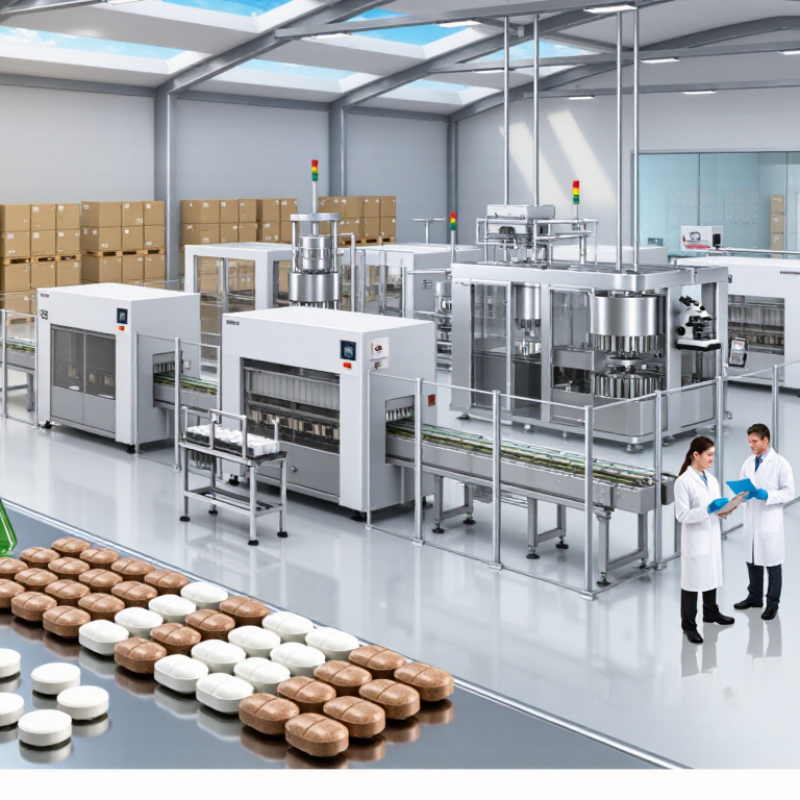
China Top Dietary Supplement Tablets Supplier?

What Defines a Top Dietary Supplement Tablets Supplier in China

What Defines a Top Dietary Supplement Tablets Supplier in China

A top dietary supplement tablets supplier in China offers more than competitive pricing. They provide clear manufacturing records, stable communication, and practical quality controls. Experienced suppliers should operate under recognized GMP standards and maintain controlled production areas. Each batch needs documented testing for identity, strength, purity, and contamination risks. A reliable supplier can provide a current certificate of analysis and explain every test result in plain language. Small details matter, such as sealed sample bags, calibrated scales, and readable batch numbers.

Product development also reveals a supplier’s professional ability. Skilled teams can help refine tablet size, hardness, coating, flavor, and packaging requirements. They should assess ingredient compatibility and support stability testing before commercial production. Traceability must cover raw material purchasing, production, inspection, and shipment. Transparent suppliers welcome reasonable audits and answer difficult questions without vague promises. They may not be perfect. I would still expect them to record errors, investigate causes, and improve procedures instead of hiding problems.

Tips: Request a sample batch and review its documents carefully. Compare the physical tablets with the stated specifications. Ask about minimum order quantities, lead times, storage conditions, and complaint handling. Check whether labels and marketing claims meet the destination market’s requirements. Do not choose by price alone. A low quote can conceal weak testing, delayed communication, or costly rework. Keep written approval records for formulas, packaging, and release standards.

Key Types of Dietary Supplement Tablets Manufactured in China

China’s dietary supplement tablet industry covers several practical formats. Common products include vitamin and mineral tablets, herbal or botanical tablets, probiotic tablets, chewable tablets, and effervescent tablets. Some factories also produce sustained-release tablets for carefully planned ingredient delivery. Each type needs different equipment, moisture control, and packaging protection. For example, effervescent tablets may react to humidity, while probiotics need stronger stability testing. Ingredient sourcing also matters. A reliable manufacturer should provide specifications, allergen information, batch records, and certificates of analysis. GMP-based production, in-process checks, and finished-product testing help reduce avoidable risks.

In practical sourcing, factory appearance can mislead buyers. A clean facility is useful, but documented quality systems matter more. Ask about identity testing, heavy-metal screening, microbial limits, tablet hardness, and shelf-life studies. Packaging should match the product’s weaknesses, especially light and moisture sensitivity. Regulatory requirements also differ by market, so labels and permitted claims must be reviewed before production. Not every supplier handles every tablet type equally well. That needs verification.

Tips: Request pilot samples before placing a large order. Compare dissolution, taste, weight consistency, and packaging performance. Check whether the factory can trace each batch to its raw materials. Keep communication written and specific. Small omissions can become expensive later.

China Top Dietary Supplement Tablets Supplier? - Key Types of Dietary Supplement Tablets Manufactured in China

Tablet Type Typical Active Ingredients Common Nutritional Purpose Common Tablet Formats Important Manufacturing Considerations
Multivitamin Tablets Vitamins A, C, D, E, K and selected B vitamins; minerals may also be included General nutritional supplementation and support for normal energy metabolism Uncoated, film-coated, chewable, layered or custom-shaped tablets Ingredient compatibility, dose uniformity, moisture protection and tablet size should be evaluated
Mineral Tablets Calcium, magnesium, zinc, iron, selenium, iodine or potassium compounds Dietary mineral intake and support for normal bone, muscle, blood or immune functions Standard compressed, film-coated, chewable or small-size tablets Mineral salts differ in elemental content, flowability, taste and compression behavior
Vitamin C Tablets Ascorbic acid or buffered vitamin C compounds Antioxidant nutrition and support for normal collagen formation and immune function Plain, film-coated, chewable or effervescent tablets Vitamin C can be sensitive to moisture, oxygen and heat; packaging protection is important
Calcium and Vitamin D Tablets Calcium carbonate, calcium citrate or other calcium salts combined with vitamin D Support for normal bones, teeth and calcium metabolism Large compressed, film-coated, chewable or layered tablets High mineral loading may create large tablets; elemental calcium content and disintegration require verification
Iron Tablets Ferrous fumarate, ferrous sulfate, ferrous bisglycinate or other iron sources Iron supplementation and support for normal red blood cell formation Film-coated, small-size, sustained-release or combination tablets Metallic taste, oxidation, color changes and gastrointestinal tolerance should be addressed
Herbal Extract Tablets Botanical extracts such as turmeric, ginger, milk thistle or green tea extract Botanical-based nutritional supplementation, depending on the selected plant and permitted claims Compressed, film-coated, bilayer or chewable tablets Botanical identity, marker compounds, extraction ratio, contaminants and batch consistency need testing
Probiotic Tablets Selected live microbial strains, sometimes combined with prebiotic ingredients Digestive and intestinal microbiota support, subject to applicable regulations Low-compression, chewable or protective-coated tablets Strain identification, viable count through shelf life, humidity control and storage conditions are critical
Enzyme Tablets Digestive enzymes such as lactase, bromelain, papain or amylase Support for the digestion of particular food components, depending on enzyme activity Film-coated, delayed-release or combination tablets Activity units, pH sensitivity, temperature exposure and release profile should be controlled
Amino Acid Tablets L-glutamine, L-arginine, branched-chain amino acids or other permitted amino acids Amino acid supplementation for sports nutrition or general dietary use Large compressed, film-coated, multilayer or chewable tablets High active loading can affect tablet weight, hardness, swallowability and production yield
Omega-3 Tablets EPA and DHA from purified marine oil or algae-derived oil, usually delivered in a solid format with suitable excipients Supplementation with long-chain omega-3 fatty acids Compressed specialty tablets or oil-containing tablet formats Oxidation markers, odor control, source verification and oxygen-barrier packaging are important
Fiber Tablets Psyllium husk, inulin, resistant starch or other dietary fiber ingredients Support for daily dietary fiber intake and normal digestive function Large compressed, chewable or multilayer tablets Fiber may require large serving sizes; swelling behavior, moisture content and disintegration must be assessed
Effervescent Tablets Vitamins, minerals, electrolytes or botanical ingredients combined with an acid–carbonate system Convenient drinkable supplementation after dissolution in water Effervescent tablets in tubes, moisture-resistant pouches or individual sachets Low-humidity production, rapid dissolution, moisture-proof packaging and appropriate storage are essential
Quality and Compliance Note: Product specifications should be confirmed through approved raw-material documentation, identity testing, contaminant screening, microbial testing, finished-product analysis, stability evaluation and compliance with the regulations of the intended sales market.

Quality Standards and Certifications for Chinese Tablet Suppliers

Choosing a top dietary supplement tablet supplier in China requires more than comparing prices. Quality begins with documented manufacturing controls and trained production teams. Look for current GMP certification, supported by regular independent audits. ISO 22000 or HACCP systems can strengthen food safety management. Certificates alone are not proof.

Ask for batch records, raw material specifications, and full certificates of analysis. Testing should cover identity, potency, microbial limits, heavy metals, and unwanted contaminants. A reliable supplier explains laboratory methods and keeps retained samples from every batch. Tablet weight, hardness, disintegration, and coating should be checked during production. Small details matter. Yet documentation can be incomplete or outdated, even in an apparently capable facility. That risk deserves attention.

Visit the site when possible, or arrange a qualified third-party audit. Observe hygiene controls, calibration labels, warehouse conditions, and worker training records. Traceability should connect each finished tablet to its ingredients, equipment, and operators. Stability data also helps confirm shelf life under expected storage conditions. Do not accept vague promises. A professional supplier welcomes questions, reports deviations honestly, and corrects root causes. However, certifications vary by market and product category, so local regulatory review remains necessary. This step is sometimes underestimated.

Quality Standards and Certifications Relevant to Chinese Dietary Supplement Tablet Suppliers

Scope matrix of widely recognized quality and food-safety frameworks. A value of 1 means the topic is an explicit core element of the framework; 0 means it is not the framework’s primary scope.

China health-food GMP focuses on controlled manufacturing, hygiene, quality control and traceability. ISO 22000 and HACCP focus on food-safety hazards, while ISO 9001 focuses on the broader quality-management system. Certification or compliance should be verified through current certificates, scope statements, audit records and product-specific documentation.

Reference frameworks: China NMPA health-food GMP requirements, ISO 9001:2015, ISO 22000:2018 and Codex Alimentarius HACCP principles.

How to Evaluate China-Based Dietary Supplement Tablet Manufacturers

China Top Dietary Supplement Tablets Supplier?

How to Evaluate China-Based Dietary Supplement Tablet Manufacturers

Selecting a China-based tablet manufacturer requires more than comparing prices and production capacity. Start by checking documented quality systems, trained personnel, and relevant manufacturing licenses. Request recent audit records, equipment lists, and clear explanations of process controls.

A reliable facility should provide batch records, raw material specifications, certificates of analysis, and stability data. Verify whether test results come from qualified laboratories. Independent testing can confirm identity, strength, microbiological quality, and unwanted contaminants. Ask how the factory handles rejected materials and customer complaints. The answers often reveal more than polished presentations.

Visit the production site when possible. Observe hygiene controls, controlled access, tablet compression, coating, and packaging areas. Check whether operators record line clearance and equipment cleaning in real time. Trace one sample from incoming material to finished carton. It should not disappear into vague paperwork. Confirm that labels, claims, and ingredients meet the rules of your target market. Requirements differ widely.

Do not judge a supplier only by a low quotation. Very low costs may reflect weaker testing or unstable sourcing. Still, an expensive facility is not automatically dependable. No audit is perfect. My own evaluation would include follow-up testing after approval, because early samples can look better than routine batches. Set measurable specifications, delivery expectations, change-notification duties, and corrective-action procedures in writing. Communication quality matters, especially when a production problem is uncomfortable to report.

Sourcing, Customization, and Export Services for Global Buyers

China Top Dietary Supplement Tablets Supplier?

Global buyers need more than a low factory price. They need verified processes, clear communication, and dependable export support. Experienced suppliers should provide ingredient specifications, production records, and batch-specific certificates of analysis. Independent testing can confirm identity, strength, microbial limits, and heavy metal compliance. Details matter.

Customization usually begins with the formula. Buyers can discuss tablet size, dosage, color, coating, flavor, packaging, and private-label artwork. A capable technical team should review ingredient compatibility and manufacturing feasibility before sampling.

It should also explain minimum order quantities, lead times, and stability testing. A sample may look perfect, yet perform poorly after storage. That risk deserves honest discussion.

Export service continues beyond production. Reliable partners help prepare invoices, packing lists, certificates, labels, and shipping documents for the destination market. They should respect each country’s rules for ingredients, claims, warnings, language, and packaging. Requirements can change. Verification remains essential.

Quality control should cover incoming materials, tablet weight, hardness, disintegration, and final inspection. Buyers benefit from retained samples and traceable batch numbers.

No supplier gets every detail right every time. The stronger ones document problems, correct them, and invite practical feedback. This is where trust becomes measurable. Clear timelines, responsive updates, and realistic promises make international sourcing less uncertain.

FAQS

What should a reliable dietary supplement tablet supplier provide?

They should provide clear manufacturing records, batch testing, and stable communication. Ask for current certificates of analysis. Details matter.

Which quality controls should buyers review?

Review identity, strength, purity, and contamination testing. Check calibrated scales, sealed sample bags, and readable batch numbers. Do not rely on appearance alone.

How can buyers evaluate a supplier’s production standards?

Ask about recognized GMP standards and controlled production areas. Review in-process checks and finished-product testing. Clean floors are not enough.

What support should a supplier offer during product development?

Skilled teams can adjust tablet size, hardness, coating, flavor, and packaging. They should assess ingredient compatibility and support stability testing.

Which tablet formats are commonly manufactured?

Common formats include vitamin, mineral, botanical, probiotic, chewable, and effervescent tablets. Some facilities also produce sustained-release tablets. Equipment needs differ.

Why do tablet types require different packaging?

Effervescent tablets can react to humidity. Probiotic tablets may need stronger stability protection. Packaging should also control light when ingredients are sensitive.

What documents should buyers request before placing a large order?

Request specifications, allergen information, batch records, and certificates of analysis. Also ask about minimum quantities, lead times, storage, and complaints.

How can buyers reduce sourcing mistakes?

Request pilot samples and compare weight, taste, dissolution, and packaging performance. Keep written approvals for formulas and release standards. I might still miss something. Recheck everything.

Conclusion

A top Dietary Supplement Tablets supplier in China combines reliable manufacturing capacity, strong quality control, experienced technical teams, and consistent communication. Leading suppliers typically produce a wide range of tablet formats, including vitamins, minerals, botanical formulas, sports nutrition products, and specialized wellness supplements. Their facilities should follow recognized quality management systems, maintain strict testing procedures, and provide clear documentation for raw materials, production batches, stability, packaging, and traceability. Certifications and compliance records are important indicators, but buyers should also assess actual production controls, laboratory capabilities, and product consistency.

For global buyers, evaluating a China-based manufacturer involves reviewing its formulation expertise, minimum order quantities, customization options, packaging services, lead times, export experience, and ability to support registration requirements in the target market. A dependable supplier should offer transparent quotations, practical sampling procedures, responsive project management, and flexible solutions for private-label or contract manufacturing needs. Careful due diligence and clear specifications can help buyers establish a stable partnership and develop safe, compliant, and market-appropriate tablet products.

Aurora

Aurora

Aurora is a dedicated marketing professional with a strong understanding of the company’s products, customers, and industry landscape. With a thoughtful, research-driven approach, Aurora transforms complex product capabilities into clear, practical, and engaging content that helps readers make......