OEM / ODM Manufacturing Blog
Expert guides, market trends, formulation tips & compliance updates from Malaysia's premier contract manufacturer.
China Top 10 Liquid Health Supplements Suppliers?
Table of Contents
- What Are Liquid Health Supplements and Why Source Them From China?
- How to Evaluate China’s Liquid Health Supplement Suppliers
- China’s Top 10 Liquid Health Supplement Suppliers
- How to Compare Products, Certifications, and Manufacturing Capabilities
- How to Choose the Right Supplier for Your Business Needs
- FAQS
- Conclusion
- Related Posts
China’s liquid health supplements market is expanding through contract manufacturers, private-label specialists, and ingredient-focused producers. This guide examines ten notable Chinese suppliers serving international buyers. It does not treat “top” as an official ranking. Supplier quality can change quickly.
The review considers manufacturing experience, formulation capability, ingredient traceability, testing procedures, packaging flexibility, certifications, and export support. Liquid Health Supplements require closer control than many solid products. Stability, flavor, viscosity, microbial safety, and dosage accuracy can affect every bottle. A clean factory image is not enough. Ask for current certificates, batch records, test reports, and stability data.
Dr. Pieter Cohen, an associate professor at Harvard Medical School and a widely cited supplement-safety researcher, has stated, “Supplements are not medicines.” That reminder matters here. Suppliers should communicate product limits clearly, avoid unsupported medical claims, and provide evidence for every meaningful quality statement.
This introduction also considers practical details. Can the supplier produce small pilot batches? Are raw materials tested before use? Does the filling line protect sensitive ingredients from heat and oxidation? Can labels meet the destination market’s requirements?
Some evaluations remain imperfect. Public information may be incomplete, translated inconsistently, or based on supplier-reported claims. Buyers should verify each detail directly. A factory visit helps, but it does not replace independent testing.
The strongest supplier is not always the largest. It may be the one that documents risks honestly, answers technical questions quickly, and improves after a failed trial. That standard makes this list useful, but not final.
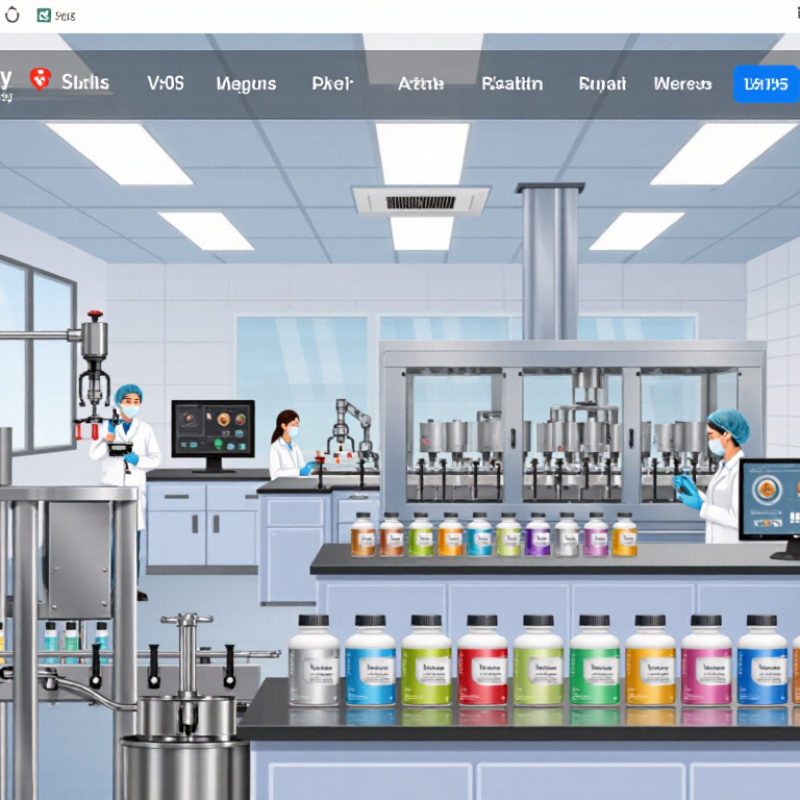
What Are Liquid Health Supplements and Why Source Them From China?
Liquid health supplements are nutritional products delivered in fluid form, such as herbal drinks, vitamin liquids, and mineral solutions. They can be easier to swallow than tablets. Some formulas also allow flexible serving sizes for different consumers.
China has a mature manufacturing base for liquid nutrition products. Suppliers can support formulation, mixing, filling, labeling, and customized packaging in one supply chain. A capable factory may provide amber bottles, measured droppers, or single-dose sachets. These details affect protection from light, dosage accuracy, and shipping convenience.
Sourcing from China may also offer competitive production costs and broad packaging choices. However, lower pricing should never replace proper verification. Buyers should review ingredient specifications, batch records, stability data, microbial testing, and certificates of analysis. Factory audits can reveal practical issues, including poor hygiene controls or unclear storage procedures. Ask how suppliers manage water quality and cross-contamination risks.
The process is not flawless. Communication gaps can change a flavor, viscosity, or serving size. Samples may look excellent, while larger batches need closer supervision. Clear contracts, approved reference samples, and independent laboratory testing reduce these risks. Suppliers should also understand the destination market’s labeling and safety requirements. China can be a strong sourcing location, but responsible buyers still need patience, technical review, and regular quality checks.
China Top 10 Liquid Health Supplements Suppliers? – What Are Liquid Health Supplements and Why Source Them From China?
Typical serving volumes by liquid supplement format
Liquid health supplements are products such as syrups, oral liquids, concentrated drops, and ready-to-consume shots. The serving volumes shown are representative commercial formats commonly used in the supplement industry, not fixed regulatory requirements. China is widely considered for liquid supplement sourcing because manufacturers can support different bottle sizes, flavors, dosage formats, packaging options, and private-label production requirements.
Note: Actual serving size depends on formulation strength, ingredient concentration, target market, packaging design, and local labeling regulations.
How to Evaluate China’s Liquid Health Supplement Suppliers
Evaluating China’s liquid health supplement suppliers requires more than comparing quotations. In practical sourcing work, the lowest price can hide weak testing, unstable lead times, or limited formulation support. Begin by checking manufacturing qualifications, quality systems, and liquid-product experience. Request current certificates, production records, and traceability examples. Documents should be clear and easy to verify. Ask who performs microbiological, heavy-metal, allergen, and potency testing. A polished website proves little.
A reliable evaluation also depends on samples. Review flavor, color, sediment, viscosity, fill accuracy, and package compatibility after storage. Request a certificate of analysis for each batch, not just a general template. Stability data matters, especially for botanical ingredients, oils, or sensitive nutrients. Confirm whether the supplier controls water quality, sanitation, and filling temperatures. These details reveal real expertise. Small details matter.
Communication is another practical test. Can the technical team explain dosage calculations, shelf-life assumptions, and corrective actions without vague promises? Check minimum order quantities, pilot-batch options, production capacity, and shipment records. An independent audit can expose gaps between written procedures and factory habits. Still, no evaluation is perfect. Samples may perform well while later batches vary. Keep approval criteria written, retain reference samples, and schedule periodic reviews. Trust should be earned slowly, not assumed from fast replies or attractive pricing.
China’s Top 10 Liquid Health Supplement Suppliers
China’s Top 10 Liquid Health Supplement Suppliers are often evaluated through manufacturing quality, formulation skill, and export reliability. A strong supplier should provide GMP-based production, batch records, stability data, and independent laboratory testing. These documents help buyers assess ingredient identity, microbial limits, heavy metals, and shelf life.
The leading suppliers usually support liquid vitamins, botanical extracts, mineral drops, and functional nutrition products. Their facilities may handle 30 ml droppers, 100 ml bottles, and larger oral-liquid containers. Practical experience matters here. A supplier that can adjust flavor, viscosity, and dosage often reduces production problems. Clear communication matters too. Small misunderstandings can affect labels or serving instructions.
However, “top ten” lists are not permanent rankings. Production capacity, certifications, and compliance records can change. Buyers should verify current licenses, audit reports, product specifications, and export documents before signing agreements. I would also request a pilot batch and inspect the packaging closely. Leaking caps happen. Some suppliers present impressive certificates but provide limited testing details. That deserves careful review.
Reliable cooperation depends on traceable raw materials, controlled filling lines, and responsive technical teams. Suppliers should explain allergen controls, storage conditions, and recall procedures in plain language. Independent verification remains valuable, even when a factory appears highly professional.
China Top 10 Liquid Health Supplements Suppliers? - China’s Top 10 Liquid Health Supplement Suppliers
| Rank | Supplier Capability Segment | Typical Liquid Products | Common Delivery Forms | Common Packaging | Key Quality-Control Points | Typical Buyer Markets |
|---|---|---|---|---|---|---|
| 1 | Liquid Multivitamin Suppliers | Multivitamin and multimineral formulas for adults, children, and seniors | Ready-to-drink liquids, oral drops, and concentrated syrups | Amber glass bottles, PET bottles, HDPE bottles, and single-dose sachets | Nutrient assay, microbial testing, preservative control, and light protection | Private-label brands, pharmacies, wellness retailers, and e-commerce sellers |
| 2 | Herbal and Botanical Extract Suppliers | Botanical tinctures, herbal blends, plant-extract liquids, and traditional herbal formulas | Liquid extracts, glycerites, alcohol-based tinctures, and water-based concentrates | Dropper bottles, oral-liquid bottles, and bulk food-grade containers | Botanical identity, marker-compound testing, pesticide residues, heavy metals, and solvent residues | Natural-health brands, traditional medicine distributors, and specialty retailers |
| 3 | Collagen Liquid Suppliers | Hydrolyzed collagen drinks and beauty-support liquid supplements | Ready-to-drink shots, pouches, ampoules, and concentrated liquids | PET bottles, glass bottles, stick packs, and aluminum pouches | Protein content, peptide profile, allergen control, microbiological safety, and stability | Beauty, sports-nutrition, pharmacy, and online wellness channels |
| 4 | Mineral and Trace-Element Suppliers | Liquid iron, magnesium, zinc, calcium, and trace-mineral products | Oral solutions, suspensions, drops, and mineral concentrates | HDPE bottles, glass dropper bottles, and unit-dose containers | Elemental-mineral assay, sedimentation control, pH, dissolution, and contaminant screening | Children’s nutrition, pharmacies, clinical-nutrition distributors, and general wellness |
| 5 | Omega-3 Emulsion Suppliers | Fish-oil or algae-oil liquids containing EPA, DHA, or other omega-3 fatty acids | Flavored oils, emulsified drinks, oral drops, and soft-gel filling liquids | Dark glass bottles, oxygen-barrier PET bottles, and sachets | EPA/DHA assay, oxidation values, sensory quality, marine contaminants, and allergen controls | Family nutrition, sports nutrition, pharmacies, and functional-food retailers |
| 6 | Electrolyte and Hydration Suppliers | Electrolyte drinks containing sodium, potassium, magnesium, and carbohydrates | Ready-to-drink beverages, concentrates, shots, and liquid sachets | PET bottles, cans, cartons, pouches, and single-serve bottles | Electrolyte concentration, pH, osmolality, microbiological safety, and shelf stability | Sports, travel, outdoor, convenience, and active-lifestyle markets |
| 7 | Amino-Acid and Sports-Nutrition Suppliers | Liquid branched-chain amino acids, arginine, glutamine, and recovery formulas | Ready-to-drink products, shots, concentrates, and oral solutions | PET bottles, aluminum cans, pouches, and measuring-cap bottles | Amino-acid identity, content uniformity, banned-substance screening, pH, and microbial testing | Gyms, sports retailers, performance-nutrition brands, and online channels |
| 8 | Probiotic and Prebiotic Liquid Suppliers | Probiotic suspensions, synbiotic liquids, and prebiotic formulas | Oral drops, liquid sachets, drinkable vials, and refrigerated liquids | Light-protective bottles, sachets, vials, and temperature-controlled packaging | Viable-cell count, strain identity, moisture control, temperature stability, and contamination testing | Digestive-health brands, pharmacies, children’s nutrition, and specialty retailers |
| 9 | Children’s Liquid Supplement Suppliers | Children’s vitamins, mineral syrups, omega-3 liquids, and nutritional drops | Syrups, oral drops, drinkable ampoules, and single-dose liquids | Child-resistant bottles, dosing syringes, droppers, and unit-dose packs | Accurate dosing, contaminant testing, allergen control, palatability, and child-safety packaging | Pediatric nutrition, pharmacies, supermarkets, and family-health e-commerce |
| 10 | Functional Beverage and Botanical Shot Suppliers | Energy, relaxation, immunity-support, digestive-support, and wellness shots | Ready-to-drink shots, functional waters, concentrated beverages, and powdered-liquid systems | PET bottles, glass shots, aluminum cans, cartons, and flexible pouches | Ingredient identity, caffeine or active-compound assay, pH, shelf life, microbial safety, and sensory testing | Convenience stores, cafés, supermarkets, hospitality, and direct-to-consumer channels |
How to Compare Products, Certifications, and Manufacturing Capabilities
China’s liquid supplement sector deserves careful comparison, not a ranking based on factory photos. Grand View Research valued the global dietary supplements market at about USD 177.5 billion in 2023. That scale attracts capable manufacturers, but also creates uneven quality. Request batch records, stability data, and finished-product specifications before discussing price.
Compare suppliers across three practical areas: product control, certifications, and manufacturing depth. A reliable facility should explain dosage accuracy, microbial limits, preservative use, and packaging compatibility. Look for independently verifiable GMP, HACCP, ISO 22000, or FSSC 22000 credentials. Certificates alone are not proof. Check the issuing body, scope, site address, and expiration date. I would also ask for recent third-party laboratory reports covering identity, heavy metals, pathogens, and shelf-life performance. Small details matter.
Manufacturing capability means more than owning stainless-steel tanks. Ask about batch size, mixing uniformity, filling speed, temperature control, and line-cleaning validation. Fortune Business Insights identifies convenience and ready-to-consume formats as important growth factors in the supplement industry, which increases pressure on liquid stability and packaging. Request pilot samples in the final bottle, not only laboratory cups. Some suppliers provide excellent samples, then change raw materials during scale-up. That risk is often missed. A written change-control process, traceable lot coding, and documented recall procedure reveal operational maturity. My comparison may still be imperfect; supplier audits can overlook problems between production cycles. Regular testing remains necessary.
How to Choose the Right Supplier for Your Business Needs
China Top 10 Liquid Health Supplements Suppliers
Choosing the right Chinese liquid health supplement supplier requires more than comparing prices. Start by checking manufacturing experience, product categories, and production capacity. Ask whether the facility follows recognized quality systems and maintains documented hygiene controls. A factory tour, even by video, can reveal filling lines, storage conditions, and staff practices.
Request recent certificates of analysis, stability data, ingredient specifications, and batch records. Confirm that testing covers identity, purity, microbiological safety, and heavy metals. Clear traceability matters. Each bottle should connect to a defined batch, production date, and tested raw material. Packaging also deserves attention. Check seal integrity, dosage accuracy, label space, and shipping performance under different temperatures.
Communication often predicts future reliability. A suitable supplier answers technical questions directly and explains limitations honestly. Discuss minimum order quantities, sample fees, lead times, payment terms, and formula ownership before signing anything. Confirm export documents and destination-market requirements with qualified regulatory advisers. Suppliers should support lawful product claims, not promise unrealistic results.
A low quotation may exclude testing, packaging revisions, or inspection costs. That can become expensive later. Even experienced buyers miss hidden assumptions during early discussions. Use a written specification and approve a pilot batch before larger production. Keep an independent inspection option. It may feel unnecessary, but one rejected shipment can change that opinion. The strongest supplier is not always the largest one. It is the partner whose records, responses, and actual samples remain consistent.
FAQS
They are nutritional products delivered as fluids, including vitamin liquids, herbal drinks, and mineral solutions. They may be easier to swallow. Serving sizes can also be adjusted for different consumers.
China offers mature manufacturing for formulation, mixing, filling, labeling, and packaging. Suppliers may provide bottles, droppers, or single-dose sachets. Production costs can be competitive. Lower prices still require careful verification.
Request ingredient specifications, batch records, stability data, and certificates of analysis. Testing should cover identity, purity, microbes, and heavy metals. Recent documents matter more than attractive presentations.
Arrange a factory visit or video audit when possible. Inspect hygiene controls, filling lines, storage areas, and staff practices. Ask about water quality and cross-contamination prevention. Look closely.
Check seal integrity, dosage accuracy, label space, and shipping performance. Amber bottles can help protect light-sensitive formulas. Droppers may improve measurement accuracy. Leaking caps are possible.
Samples can look excellent, while larger batches may differ in flavor or viscosity. Approve a reference sample before production. A pilot batch can expose filling or packaging problems earlier.
Use written specifications for flavor, viscosity, serving size, labels, and packaging. Discuss minimum orders, lead times, fees, and payment terms clearly. Small misunderstandings become expensive.
No. A smaller supplier may offer better communication and more consistent records. Compare actual samples, testing details, response speed, and production controls. A checklist helps, but it cannot replace judgment.
Conclusion
This article explores what Liquid Health Supplements are, including liquid vitamins, minerals, herbal extracts, and other nutritional formulas designed for convenient use and potentially easier consumption. It explains why businesses may consider sourcing these products from China, where manufacturers often offer broad formulation options, flexible production volumes, specialized packaging, and competitive pricing. The focus remains on responsible, compliant, and quality-oriented sourcing for legitimate health and wellness products.
Readers will learn how to evaluate Chinese suppliers by reviewing product quality, ingredient traceability, manufacturing capabilities, certifications, testing procedures, documentation, and communication standards. The article also presents a practical overview of ten leading supplier types without focusing on brand promotion, then explains how to compare formulas, certifications, packaging, minimum order quantities, lead times, and customization services. Finally, it provides guidance for selecting a supplier that matches a company’s target market, budget, product requirements, regulatory responsibilities, and long-term business goals.

Blog Tags: