OEM / ODM Manufacturing Blog
Expert guides, market trends, formulation tips & compliance updates from Malaysia's premier contract manufacturer.
10 Best Institutional Cleaning Products for Global Buyers
Table of Contents
- What Institutional Cleaning Products Are and Where They Are Used
- How to Evaluate Cleaning Products for Global Institutional Buyers
- The 10 Best Institutional Cleaning Product Categories
- Safety, Compliance, and Environmental Standards Across Markets
- How to Select, Source, and Manage Cleaning Products Globally
- FAQS
- Conclusion
- Related Posts
Choosing the right Institutional Cleaning Products is more than comparing prices on a supplier website. Global buyers must consider cleaning performance, staff safety, surface compatibility, packaging, and local purchasing requirements. A product that works well in a hospital corridor may damage polished stone in a hotel lobby. Small details matter.
This guide reviews ten practical options for commercial facilities, healthcare sites, schools, offices, and hospitality businesses. Each product category is assessed through real procurement concerns, including dilution control, contact time, storage conditions, documentation, and supply consistency. Clear labels and accessible Safety Data Sheets remain essential, especially when products cross borders. Reliable manufacturers should provide transparent ingredient information, quality controls, and consistent batch performance.
Some buyers focus too heavily on unit cost. That can be misleading. A concentrated cleaner may reduce shipping volume, yet poor dosing can increase waste and labor costs. Likewise, “green” claims require careful verification, not automatic trust. Regional water quality, workforce training, and available equipment also influence results. These variables are easy to overlook.
The recommendations aim to support informed decisions rather than promote one universal solution. No product fits every facility. Testing a small sample area is often wiser than placing a large first order. Feedback from cleaning staff can reveal practical problems that technical brochures miss. Expectations should remain realistic, and procurement teams should review performance regularly as regulations, budgets, and facility needs change.
What Institutional Cleaning Products Are and Where They Are Used
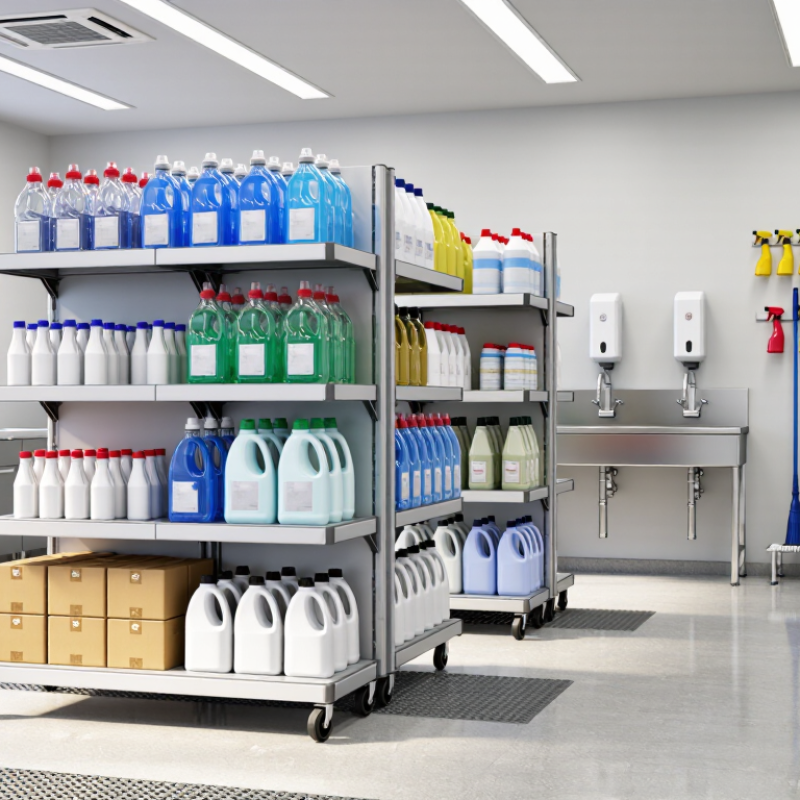
Institutional cleaning products are professional formulations used in places with constant traffic and strict hygiene demands. They include neutral cleaners, disinfectants, degreasers, restroom cleaners, glass cleaners, floor-care chemicals, laundry products, dishwashing detergents, enzymatic cleaners, and odor-control solutions. Their purpose is practical: remove soil, reduce contamination risks, protect surfaces, and support safe daily operations.
These products appear in hospitals, schools, hotels, airports, offices, factories, restaurants, and public facilities. A hospital may require surface disinfectants and enzymatic cleaners for clinical areas. A hotel often needs glass cleaners, bathroom descalers, laundry chemicals, and floor-care solutions. Food-service sites need grease removal and controlled cleaning procedures. Grand View Research estimated the global institutional cleaning chemicals market at more than USD 25 billion in 2023, with continued growth expected through the decade. The report also highlights healthcare, hospitality, and food service as important demand sectors. The WHO and UNICEF Joint Monitoring Programme reported that billions of people still lack safely managed hygiene services, showing why dependable cleaning systems matter. However, purchasing more chemicals does not automatically improve hygiene.
Tips: Match the product to the soil, surface, and work environment. Check dilution instructions, dwell time, worker training needs, packaging, and local compliance documents. Test a small area first. A strong cleaner may damage flooring or create unnecessary exposure. In my experience, procurement teams sometimes compare price alone. That is a mistake worth reconsidering. A cheaper product can demand more labor, water, or repeated application.
How to Evaluate Cleaning Products for Global Institutional Buyers
Global institutional buyers should evaluate cleaning products beyond price and fragrance. Performance must survive real facilities: hard water, low temperatures, busy corridors, and inconsistent dosing. A product tested on a laboratory surface may behave differently on a hospital floor.
Grand View Research reports that the global institutional cleaning chemicals market is expected to grow steadily through 2030, driven by hygiene requirements and professional facility management. This growth increases supplier choices, but not necessarily product quality.
Buyers should request independent efficacy data, safety data sheets, dilution instructions, and stability information.
Standards such as EN 1276, EN 14476, or relevant ASTM methods can support comparison, but test conditions must match the intended use. A disinfectant claim without contact time is incomplete.
Check the details.
Test samples in several buildings before signing a large contract. Measure cleaning time, residue, odor, packaging waste, and worker handling. Compare results under local water conditions. The International Facility Management Association highlights operational consistency as a major factor in facility performance. That matters because a concentrated product can reduce transport emissions, yet poor dosing may increase waste and labor costs. Buyers should also review multilingual labels and regional chemical documentation.
I would not trust a low unit price alone. Sometimes, the cheaper carton creates the more expensive workflow.
The 10 Best Institutional Cleaning Product Categories
10 Best Institutional Cleaning Products for Global Buyers
The 10 Best Institutional Cleaning Product Categories
Institutional buyers rarely need one miracle product. They need a balanced category portfolio for different surfaces and risks. General-purpose cleaners handle desks, doors, and washable walls. Disinfectants support high-touch areas, but contact time must match the product label. Degreasers lift cooking oils from kitchen floors and equipment. Glass cleaners reduce streaks on windows and display panels. Restroom cleaners target scale, soil, and persistent odors. Choose documented formulations.
Floor-care products include neutral cleaners, strippers, and protective finishes. The right choice depends on flooring material and traffic levels. Carpet and upholstery cleaners need low-moisture options for busy buildings. Laundry chemicals should suit water hardness, fabric type, and machine dosing. Dishwashing products must control grease without damaging ware or hands. Hand hygiene products include liquid soap, sanitizer, and skin-care support.
In practice, teams should compare dilution ratios, safety data, packaging strength, and storage requirements. A five-liter container may reduce waste, but smaller packs can improve handling. Water quality also changes cleaning results across regions. No category works everywhere. I have seen purchasing plans fail when staff training receives little attention. Trial cleaning on a small surface can reveal residue, fading, or poor rinsing before a larger order. Clear labels and dependable technical support matter as much as cleaning power.
10 Best Institutional Cleaning Products for Global Buyers
The 10 Best Institutional Cleaning Product Categories
The benchmark score is based on practical institutional procurement factors: cleaning frequency, hygiene importance, cross-facility applicability, storage efficiency, and operational demand. Higher scores indicate broader purchasing relevance for hospitals, hotels, schools, offices, food-service facilities, and public buildings.
Safety, Compliance, and Environmental Standards Across Markets
Global buyers should judge the ten best institutional cleaning products by risk, not fragrance or foam. The practical shortlist includes neutral floor cleaner, disinfectant, laundry detergent, hand soap, glass cleaner, restroom descaler, alkaline degreaser, carpet extractor, enzymatic cleaner, and floor finish. Each product needs a current safety data sheet, local-language instructions, and clear dilution guidance. Disinfectant claims deserve extra care because approval requirements differ widely between markets.
Compliance should follow the destination country, not the supplier’s sales brochure. In Europe, hazardous mixtures require classification, labelling, and packaging under the CLP framework. Comparable GHS requirements apply elsewhere. The OECD Test Guideline 301 also offers a recognized method for assessing ready biodegradability. UNEP’s Global Chemicals Outlook II projected that global chemical production could nearly double between 2017 and 2030. That growth makes ingredient transparency more important.
Environmental screening should examine concentrated formulas, refill systems, recyclable containers, aquatic toxicity, and worker exposure. The EPA Safer Choice Standard provides a useful ingredient-review model, even where it is not legally required. WHO and UNICEF reported that 1.7 billion people lacked basic hygiene services at home in 2022, showing why effective hand soap and low-irritation formulations matter. A perfect global checklist does not exist. I would still question vague “eco” claims, oversized packaging, and products requiring excessive protective equipment. Real performance must be tested on local water hardness, soil types, ventilation, and staff training.
10 Best Institutional Cleaning Products for Global Buyers - Safety, Compliance, and Environmental Standards Across Markets
| Product Category | Typical Institutional Application | Common Active Chemistry | Typical pH Range | Primary Safety Considerations | Environmental and Packaging Criteria | Key Compliance Checks for Global Buyers | Recommended Purchasing Specification |
|---|---|---|---|---|---|---|---|
| Neutral Floor Cleaner | Daily cleaning of coated floors, resilient flooring, sealed stone, and hard surfaces in offices, schools, hospitals, and public buildings. | Low-foaming nonionic surfactants, builders, water-soluble polymers, and mild chelating agents. | 6.5–8.5 | Usually low hazard when diluted; avoid eye contact and prolonged skin exposure. Wet floors may create slip hazards. | Prefer readily biodegradable surfactants, concentrated dosing, recycled-plastic containers, and low-VOC formulations. | Safety Data Sheet under the destination market's GHS-based system; local rules for detergent ingredients, packaging waste, and wastewater discharge. | Require dilution-control compatibility, residue-free performance, material compatibility data, and clear multilingual labels. |
| Heavy-Duty Alkaline Degreaser | Removal of food grease, workshop oils, industrial soil, and heavy traffic contamination from concrete and washable equipment. | Alkaline builders, carbonate or silicate salts, surfactants, and sometimes solvent or hydrotrope components. | 10.5–13.5 | Concentrates may cause serious eye damage or skin irritation. Use chemical-resistant gloves and eye protection; never mix with acids. | Choose phosphate-reduced or phosphate-free formulas, low-VOC chemistry, controlled dosing, and containers designed to prevent leakage. | GHS hazard classification, transport classification where applicable, worker exposure instructions, wastewater restrictions, and substance restrictions in the destination market. | Specify cleaning efficacy at the intended dilution, corrosion testing, rinse requirements, and compatibility with aluminum and painted surfaces. |
| Acidic Washroom Cleaner | Removal of limescale, uric scale, soap deposits, and mineral stains from toilets, urinals, tiles, and sanitary fittings. | Citric, lactic, sulfamic, phosphoric, or other mineral-acid systems with surfactants and corrosion inhibitors. | 1.0–3.5 | May cause burns or serious eye damage depending on acid strength. Never mix with chlorine-releasing products or alkaline cleaners. | Prefer organic-acid systems where performance allows, recyclable packaging, low-fragrance formulations, and reduced volatile acid emissions. | GHS labeling, child-resistant closure requirements where applicable, dangerous-goods transport review, and restrictions on hazardous mixtures. | Require acid concentration disclosure, compatibility data for stainless steel and natural stone, and prominent incompatibility warnings. |
| Chlorine-Based Disinfectant | Disinfection of suitable hard, nonporous surfaces in healthcare, food-service, sanitation, and emergency-response settings. | Sodium hypochlorite or another chlorine-releasing compound, often with alkaline stabilizers. | 10.5–13.0 | Can irritate or burn skin and eyes. Mixing with acids or ammonia may release toxic gases. Requires ventilation and controlled handling. | Use only the necessary concentration; protect from heat and sunlight; select compatible, leak-resistant packaging and minimize excess product waste. | Disinfectant or biocidal-product registration in the target market, validated efficacy claims, GHS classification, stability data, and approved use concentrations. | Require a documented microorganism claim, contact time, lot traceability, available chlorine specification, and validated shelf life. |
| Hydrogen-Peroxide Disinfectant | Hard-surface disinfection in healthcare, laboratories, hospitality, and other facilities requiring broad-spectrum microbial control. | Hydrogen peroxide, sometimes combined with low levels of peracetic acid, surfactants, or stabilizers. | 2.0–6.0 | Concentrated solutions can irritate or damage eyes and skin. Avoid contamination, heat, and incompatible metals or reducing agents. | Breakdown products are primarily water and oxygen; prefer formulas with low fragrance, low residue, recyclable containers, and optimized dosing. | Biocidal or disinfectant authorization, efficacy testing against claimed organisms, GHS classification, stability testing, and local residue requirements. | Specify validated contact time, material compatibility, concentration range, storage temperature, and packaging venting or closure requirements. |
| Alcohol-Based Surface Disinfectant | Rapid disinfection of small, pre-cleaned, hard surfaces such as touchpoints, equipment exteriors, and workstations. | Ethanol or isopropanol, commonly in water-based systems with optional wetting agents. | 6.0–8.0 | Flammable formulations require ignition-source control, suitable storage, ventilation, and protection from eye contact. | Use refill systems where hygienically appropriate, reduce unnecessary wipes and packaging, and select responsibly sourced alcohol feedstocks. | Biocidal or disinfectant authorization, flammable-liquid transport classification, GHS labeling, volatile organic compound rules, and efficacy documentation. | Require verified alcohol concentration, flash-point data, contact time, residue profile, and compatibility testing for plastics and coatings. |
| Glass and Multi-Surface Cleaner | Cleaning of windows, mirrors, stainless-steel panels, desks, screens, and other polished surfaces. | Water, low-level surfactants, solvents such as alcohol or glycol ethers, pH adjusters, and anti-soiling additives. | 5.0–9.0 | Generally low hazard when diluted; concentrated solvent-containing formulas may irritate eyes or skin and require ventilation. | Prefer low-VOC and fragrance-free options, refillable spray systems, concentrated formats, and packaging with high recycled content. | SDS and GHS review, VOC restrictions, ingredient disclosure rules, packaging and extended-producer-responsibility requirements. | Specify streak-free performance, evaporation rate, low-residue behavior, compatibility with coated screens, and spray-trigger durability. |
| Carpet and Upholstery Extractor Cleaner | Spray extraction and low-moisture cleaning of carpets, fabric seating, rugs, and other textile surfaces. | Low-foaming surfactants, builders, polymers, enzymes in some formulas, and optional anti-resoiling agents. | 6.0–10.0 | Avoid aerosolized mist inhalation and prolonged skin contact. Test for colorfastness and use ventilation during drying. | Prioritize low-foam, low-residue, low-VOC formulas, concentrated dosing, recyclable containers, and wastewater-conscious use instructions. | SDS, textile-material compatibility information, allergen or fragrance disclosure where required, and local wastewater or detergent rules. | Require extraction-machine compatibility, residue measurement, drying-time data, colorfastness testing, and defined dilution ratios. |
| Enzymatic Drain and Organic-Waste Treatment | Maintenance of drains, grease traps, odor-control systems, and areas affected by food or other biodegradable organic residues. | Selected enzymes, nonpathogenic microbial cultures, surfactants, buffers, and biodegradable carriers. | 5.0–9.0 | Usually lower acute chemical hazard, but avoid eye contact, aerosol generation, and ingestion. Follow biological handling instructions. | Prefer biodegradable ingredients, nonpersistent preservatives, concentrated packaging, and formulations that reduce reliance on corrosive drain chemicals. | Microorganism or enzyme safety documentation, local wastewater acceptance, worker exposure controls, SDS availability, and applicable claims substantiation. | Specify target temperature range, dosing frequency, enzyme or culture stability, odor-control evidence, and compatibility with wastewater systems. |
| Hand Dishwashing Detergent | Manual washing of utensils, cookware, food-service equipment, and reusable kitchen items. | Anionic and amphoteric surfactants, hydrotropes, water softeners, preservatives, and optional skin-conditioning agents. | 5.0–9.0 | May cause skin dryness or eye irritation. Provide gloves for prolonged work and follow food-contact rinsing instructions. | Choose readily biodegradable surfactants, phosphate-free formulations, concentrated dosing, refill containers, and reduced fragrance or dye content. | Detergent ingredient and biodegradability requirements, food-contact rinse guidance, GHS classification, preservative restrictions, and packaging regulations. | Require grease-removal performance, rinsability, foam profile, skin-tolerance information, food-contact suitability, and multilingual instructions. |
How to Select, Source, and Manage Cleaning Products Globally
Institutional cleaning requires more than choosing a strong formula. Global buyers should define soil types, surface materials, water hardness, and cleaning frequency before requesting quotations. A hospital corridor and a food warehouse need different controls. Start with measurable specifications. Record pH range, dilution ratio, contact time, container size, and storage temperature. Ask suppliers for current safety data sheets and technical test results. Confirm that documents match the shipped formulation. Small differences matter.
When sourcing internationally, compare suppliers beyond unit price. Request samples from at least two production lots and test them under local water conditions. Check label language, packaging strength, pallet design, and transport stability. A factory audit should review batch records, complaint handling, and quality checks. Calculate the full landed cost, including freight, import charges, storage, product waste, and dispenser compatibility. The cheapest drum can become expensive. Test locally.
Product management needs disciplined routines. Use demand forecasts based on building size, occupancy, and seasonal traffic. Apply first-in, first-out storage and set reorder points for critical products. Train staff to measure concentrates accurately, since overuse increases cost and surface risk. Track consumption, cleaning results, damaged packaging, and delivery delays each month. Keep evidence. Not every global plan works perfectly. A pilot may expose poor instructions, unsuitable packaging, or unrealistic delivery assumptions. Revise the specification before scaling, even when the original purchasing decision feels difficult to challenge.
FAQS
Evaluate cleaning performance, dilution accuracy, worker handling, residue, odor, and packaging waste. A cheap carton may create expensive labor. Test the complete workflow.
Water hardness, temperatures, surfaces, and staff routines can change results. Test hospital floors, busy corridors, and storage areas. Laboratory results are not enough.
Request current safety data sheets, dilution instructions, stability information, and independent efficacy results. Confirm documents match the shipped formulation. Small differences matter.
Check the tested organisms, contact time, surface type, and test conditions. Approval requirements vary between countries. A claim without contact time is incomplete.
Review concentrated formulas, refill systems, recyclable containers, aquatic toxicity, and worker exposure. Question vague environmental claims. Large packaging may create hidden waste.
Request samples from at least two production lots. Test them with local water and actual soil types. Compare freight, storage, import charges, waste, and dispenser compatibility.
Review batch records, quality checks, complaint handling, packaging strength, and transport stability. Do not inspect only the sales presentation.
Set dilution instructions, reorder points, and first-in, first-out storage. Train workers to measure concentrates accurately. Track consumption monthly.
Record cleaning time, residue, odor, damaged packaging, delivery delays, and worker feedback. Check results under real operating conditions. A pilot may fail. That is useful.
Revise it when instructions confuse workers, packaging breaks, or delivery assumptions prove unrealistic. Changing course can feel uncomfortable. It may prevent larger losses.
Conclusion
Institutional Cleaning Products are professional-grade solutions designed to maintain hygiene, safety, and cleanliness in facilities such as hospitals, schools, hotels, offices, factories, and public buildings. This guide explains the main product categories, including surface cleaners, disinfectants, detergents, floor-care solutions, restroom products, glass cleaners, laundry chemicals, kitchen cleaners, hand hygiene products, and waste-management supplies. It also outlines how buyers can assess cleaning performance, concentration, packaging, compatibility, storage needs, and total cost before making purchasing decisions.
For global institutional buyers, product selection must balance effectiveness with safety, environmental responsibility, and regulatory compliance in each target market. Clear labeling, reliable technical documentation, responsible packaging, and consistent quality are essential for international sourcing. The article also provides practical guidance on comparing suppliers, managing inventory, standardizing procurement, training users, and monitoring product performance. By applying these principles, organizations can build a dependable cleaning program that supports healthier facilities, operational efficiency, cost control, and sustainable long-term purchasing.

Blog Tags: