OEM / ODM Manufacturing Blog
Expert guides, market trends, formulation tips & compliance updates from Malaysia's premier contract manufacturer.
What Are the Top OEM Pet Care Products for 2026?
Table of Contents
- Understanding OEM Pet Care Products and Their Role in 2026
- Key OEM Product Categories for Dogs, Cats, and Other Pets
- Materials, Formulations, and Features Shaping Product Choices
- How OEM Products Are Developed, Tested, and Quality-Checked
- Emerging Trends in the OEM Pet Care Market for 2026
- FAQS
- Conclusion
- Related Posts
The 2026 opportunity for OEM Pet Care Products is not simply about launching more items. It is about matching practical products with changing expectations for pet health, convenience, and clear product information. The American Pet Products Association’s 2025 State of the Industry report valued U.S. pet-industry spending at $152 billion in 2024 and projected $157 billion for 2025. That is a broad industry measure, not an OEM sales forecast. Still, it signals a substantial market for manufacturers and brands to assess.
Several product groups merit close attention: functional pet supplements, gentle grooming formulas, dental-care products, everyday wellness supplies, and smart accessories. Grand View Research has also reported continued growth in the global pet-care market, reflecting demand across products and services. Market estimates vary by definition, so they should guide research—not replace it. A calming chew or refillable shampoo bottle may look promising on a trend chart, but buyer interest, product testing, and reliable sourcing matter more.
For brands comparing OEM partners, the details count. Ask how ingredients are documented, how batches are checked, and whether packaging can protect the product during shipping. Request evidence for any health-related claims. Small details matter. A label that is hard to read or a pump that leaks can undermine an otherwise thoughtful product. The rankings ahead will consider demand, usefulness, manufacturing fit, and room for responsible differentiation. Forecasts are imperfect, and some trends will fade; that uncertainty deserves a place in the conversation.
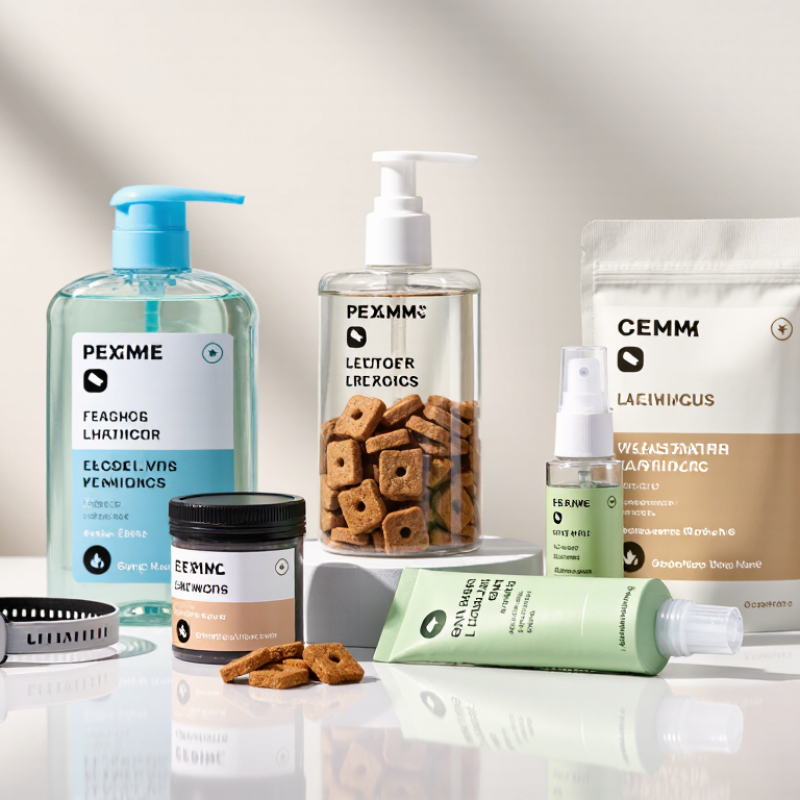
Understanding OEM Pet Care Products and Their Role in 2026
OEM pet care products are developed by one company and manufactured by another, often to a buyer’s specifications. For pet-care businesses, this model can provide access to production equipment, formulation expertise, packaging, and quality checks without building a factory. Details matter: a dog shampoo needs consistent viscosity, while a food-storage container needs a secure-fitting lid.
The American Pet Products Association’s 2025 State of the Industry Report estimated U.S. pet industry spending at $152 billion in 2024 and projected $157 billion for 2025. These figures cover the broader industry, not OEM sales alone. Still, they show the scale of a market where buyers expect reliable everyday products. OEM teams may help turn those needs into repeatable specifications, from chew dimensions to feeder components.
A useful OEM relationship includes clear ingredient or material requirements, sample approval, batch records, and a plan for handling defects. Ask how changes are documented, not just how products are made. A polished sample is not proof of consistent production. I would also avoid assuming that outsourcing automatically reduces costs; testing, packaging changes, and shipping can add up. Some details get missed. Careful review remains essential.
Key OEM Product Categories for Dogs, Cats, and Other Pets
OEM planning for 2026 should focus on useful products, not novelty alone. The American Pet Products Association’s 2025 State of the Industry report places U.S. pet-industry spending at $152 billion in 2024. It projected $157 billion for 2025. That scale supports careful category testing, not assumptions that every product will sell.
Dogs remain a broad opportunity. APPA’s 2023–2024 National Pet Owners Survey counted 65.1 million U.S. dog-owning households. OEM candidates include adjustable harnesses, washable beds, slow-feeder bowls, grooming tools, and simple food toppers. For cats, the survey counted 46.5 million households. Consider scratchers, puzzle feeders, litter accessories, water fountains, and compact grooming products. Details matter. Stable materials, clear sizing, and easy cleaning can matter more than extra features.
Small-animal and bird ranges can add cage liners, feeding accessories, travel carriers, and enrichment toys, with designs matched to each species. For private-label production, buyers should request material specifications, batch-level quality checks, and practical safety testing. Avoid unsupported health claims on supplements or food products. Not every feature wins. A polished sample may still frustrate owners if it is noisy, difficult to clean, or poorly sized; real-use trials can expose those problems before a larger order.
Materials, Formulations, and Features Shaping Product Choices
For 2026 OEM pet care products, material selection should start with the product’s real use conditions. A dry-food pouch needs moisture and oxygen barriers; a grooming bottle needs a closure that stays secure with wet hands. The American Pet Products Association’s 2024 State of the Industry report put U.S. pet-industry spending at $147 billion in 2023. That scale raises the stakes for consistent packaging, not just attractive samples.
Formulas deserve equal scrutiny. Specify ingredient traceability, target life stage, and clear nutritional adequacy information. The Association’s 2023–2024 National Pet Owners Survey estimated that 82 million U.S. households owned a pet, underscoring the range of animals and care routines products must serve. Small details help: a wide-mouth jar is easier to scoop, while a pump can reduce mess in daily grooming. Test taste, texture, dispensing, and storage stability under realistic conditions.
Recycled or lighter packaging may reduce material use, but it still needs validated barrier performance and reliable sealing. A nice sustainability claim is not enough. One trade-off remains awkward: a more complex package can improve convenience while adding cost and material. Pilot runs, shelf-life testing, and feedback from actual caregivers can expose weak points before production scales.
How OEM Products Are Developed, Tested, and Quality-Checked
For 2026, promising OEM pet care products may include grooming tools, washable bedding, feeding accessories, and enrichment toys. A product should begin with a specific use, not a trend forecast. Teams can document the pet’s size range, materials, cleaning needs, and likely wear before choosing a design. A slick silicone lick mat, for example, needs stable suction and edges that are easy to inspect.
Development works best with clear specifications and early prototypes. Check seams, closures, surfaces, and moving parts by hand. Then test products under realistic conditions: repeated washing, moisture exposure, pulling, chewing, or everyday handling, depending on the item. Testing should reflect the intended use, not just a showroom demonstration. No checklist catches everything.
Quality checks should happen across production, not only at the end. Inspect incoming materials, compare samples with approved specifications, and record defects by type and batch. For pet-contact products, review material documentation and screen for sharp edges, loose components, strong odors, and residue. Keep test records traceable, and investigate failures before shipment. A tidy report can still miss a flaw; teams should revisit assumptions when real-use feedback disagrees with lab results. Early checks cost time, but late surprises cost more.
| Product category | Development focus | Typical testing | Quality checks before release | Key considerations |
|---|---|---|---|---|
| Complete dry pet food | Define the intended species and life stage, formulate to the applicable nutritional requirements, and validate the extrusion and drying process. | Nutrient analysis; moisture and water-activity checks; microbiological testing appropriate to the ingredients and process; palatability or feeding evaluation where applicable. | Verify ingredient identity, batch records, finished-product specifications, package seals, label information, and lot traceability. | A “complete and balanced” claim must be supported for the stated species and life stage under the rules applicable in the target market. |
| Wet food and pâté | Select the recipe, texture, container, and thermal-processing schedule; establish a validated process for the specific product and package. | Nutrient and moisture analysis; package seam or seal evaluation; process records review; shelf-life and product stability checks. | Inspect container integrity, fill weight, coding, appearance, and batch documentation; investigate any process deviation before release. | Commercial sterility depends on a scheduled, validated thermal process and sound container closure—not on a single routine test alone. |
| Pet supplements and functional chews | Confirm ingredient suitability, dose per serving, palatability, and the intended use; review the product’s regulatory classification and claims in each market. | Assay of specified active ingredients; uniformity checks; contaminant testing selected by risk assessment; stability testing for claimed shelf life. | Reconcile ingredient weights, review batch and laboratory records, confirm serving directions and warnings, and verify label-to-formula consistency. | Permitted ingredients, labeling, and health claims vary by jurisdiction; avoid unsupported disease-treatment claims. |
| Pet shampoo and grooming products | Set the intended use and directions; assess ingredient compatibility, pH, viscosity, fragrance level, and packaging choice. | pH and viscosity measurement; stability checks under defined storage conditions; preservative-effectiveness and microbiological testing as appropriate to the formulation. | Check appearance, odor, fill quantity, closure and leakage, batch identity, and label directions; review safety documentation for ingredients. | Suitability depends on species and intended use. Products for animals should not be assumed safe for people or for every animal species. |
| Harnesses, collars, and leashes | Choose materials, sizing, adjustability, hardware, and construction for the stated animal size and expected use. | Dimensional and fit checks; seam and attachment strength tests; buckle and adjustment-cycle checks; colorfastness or material checks where relevant. | Inspect stitching, edges, hardware operation, finish, size markings, and packaging; compare production samples with approved specifications. | Test methods and acceptance limits should reflect intended use and be defined before production; no accessory should be represented as chew-proof without substantiation. |
| Cat litter | Select material and particle size; establish targets for clumping, dust, odor control, and packaging performance. | Particle-size distribution; moisture and dust assessment; clumping and absorbency evaluation; package durability checks. | Check incoming material, batch uniformity, net quantity, bag seals, lot coding, and label instructions, including disposal guidance where applicable. | Performance claims such as “low dust” or “odor control” should be supported by defined, repeatable test methods. |
| Across all categories | Convert a product brief into written specifications, approved raw-material criteria, a controlled manufacturing process, and documented acceptance limits. | Use fit-for-purpose methods and qualified laboratories where needed; set sampling plans and test frequency according to product risk and applicable requirements. | Maintain supplier approval, batch records, deviation and corrective-action procedures, retained samples where appropriate, traceability, and a documented release decision. | Requirements differ by product type and destination market. Applicable laws, labeling rules, and safety obligations should be checked before manufacture and sale. |
Note: The checks shown are typical development and quality-control considerations, not a universal certification checklist. Final requirements depend on the product, manufacturing process, and destination market.
Emerging Trends in the OEM Pet Care Market for 2026
What Are the Top OEM Pet Care Products for 2026?
Emerging Trends in the OEM Pet Care Market for 2026
In 2026, OEM pet care development is increasingly shaped by practical needs: clear ingredient information, convenient formats, and products suited to different life stages. Buyers want more than a fresh label. They look for consistent quality checks, dependable supply, and packaging that protects product freshness. Small details matter. A pouch that opens neatly can improve daily use.
Functional nutrition and grooming products are attracting attention, including options for sensitive skin, dental routines, hydration, and senior pets. These benefits need careful substantiation. An experienced manufacturer should provide ingredient specifications, batch records, shelf-life data, and clear directions for use. Not every popular ingredient has strong evidence. A trend alone is not a product brief.
Sustainability is also influencing packaging choices, though “eco-friendly” can be messier than a label suggests. Materials should be assessed for durability and compatibility with local recycling systems. OEM buyers are also considering smaller pilot runs before committing to larger orders. That can reduce early inventory risk, but it may raise unit costs. The right balance depends on the product, its shelf life, and how customers actually use it.
FAQS
Match materials to real use. Food pouches need moisture and oxygen barriers, while grooming bottles need secure closures for wet hands.
Check ingredient traceability, life-stage fit, and clear nutritional adequacy information. Test taste, texture, dispensing, and storage stability.
Wide-mouth jars make scooping easier, and pumps can reduce grooming mess. Small details matter.
Not automatically. Validate barrier performance and sealing before relying on reduced-material packaging; a sustainability claim alone proves little.
Start with a specific use. Document the pet’s size range, materials, cleaning needs, and likely wear, then build prototypes.
Use realistic conditions, such as repeated washing, moisture exposure, pulling, chewing, or everyday handling. A showroom demonstration is not enough.
Check incoming materials and compare samples with approved specifications. For pet-contact items, look for sharp edges, loose parts, strong odors, and residue.
Record defects by type and batch, keep test records traceable, and investigate failures before shipment. No checklist catches everything; real-use feedback may reveal a missed flaw.
Conclusion
This article explores how OEM Pet Care Products help businesses create practical, customized solutions for pets in 2026. It surveys key product categories for dogs, cats, and other companion animals, including everyday care, grooming, feeding, comfort, and activity-related items. It also considers how material selection, product design, and formulation choices can affect safety, durability, ease of use, and suitability for different pets and their needs.
Readers will learn how OEM products typically move from an initial concept through prototyping, testing, and quality checks before reaching the market. The article also highlights emerging priorities shaping product development, such as more thoughtful material choices, improved convenience, personalization, and designs informed by pet owners’ changing expectations. Together, these topics offer a clear overview of what to consider when evaluating OEM pet care products for the year ahead.

Blog Tags: