OEM / ODM Manufacturing Blog
Expert guides, market trends, formulation tips & compliance updates from Malaysia's premier contract manufacturer.
How to Source Private Label Skin Care Products in 2026?
Table of Contents
- Define Your Private Label Skin Care Product Concept
- Research Suppliers and Verify Manufacturing Capabilities
- Evaluate Ingredients, Formulas, Safety, and Product Claims
- Confirm Packaging, Labeling, Minimum Orders, and Costs
- Test Samples and Prepare for Production and Market Launch
- FAQS
- Conclusion
- Related Posts
Sourcing Private Label Skin Care Products in 2026 requires more than choosing attractive packaging and a low minimum order quantity. Buyers must evaluate formulation quality, supplier experience, documentation, and consumer expectations together. A cream may look luxurious in a glass jar, yet fail after heat exposure, poor preservation, or repeated opening. Small details matter.
Cosmetic chemist Dr. Michelle Wong states, “Natural does not mean safe, and synthetic does not mean dangerous.” This principle is essential when reviewing ingredient lists, marketing claims, and supplier recommendations. A responsible manufacturer should provide complete INCI names, certificates of analysis, microbial testing, stability data, and clear production specifications. Ask how the formula performs after several months, not only how it feels during the first application.
Supplier verification should include factory audits, sample comparisons, batch records, and realistic communication tests. Request three samples when possible. Compare texture, scent, color, packaging fit, and labeling accuracy. Check whether the supplier understands your target market and can support compliant claims. “Chemical-free” is not a credible quality standard.
The process is not always smooth. Samples may differ slightly from production batches. A beautiful product brief may hide weak evidence. Even experienced buyers can overlook packaging compatibility or changing regional requirements. That is why written specifications and independent testing remain valuable.
In 2026, the strongest Private Label Skin Care Products brands will be built through careful questions, measurable quality controls, and honest supplier relationships. Speed helps. Verification protects the brand.
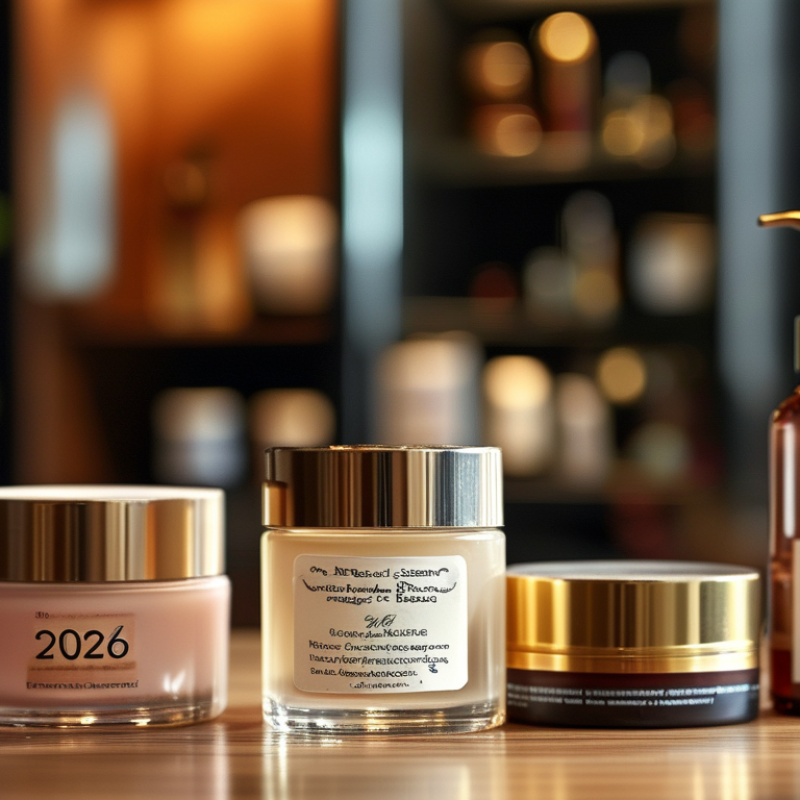
Define Your Private Label Skin Care Product Concept
Defining your private label skin care concept begins with a specific customer, not a fashionable ingredient. Describe who will use the product, when, and why. A busy office worker may want a lightweight moisturizer for morning use. A dry-skin customer may prefer a richer texture at night. Keep the promise realistic. “Supports skin hydration” is safer than an absolute transformation claim.
Write a one-page product brief before contacting manufacturers. Include the product format, texture, scent level, package size, target price, and preferred ingredients. Add practical details, such as a fast-absorbing cream in a 50 ml airless container.
Discuss allergens, fragrance preferences, and sensitive-skin expectations with a qualified cosmetic formulator. Ask for ingredient documentation, stability testing, microbiological testing, and batch records. Reliable suppliers should explain their process clearly.
My early mistake was choosing ingredients before defining the user experience. The formula sounded impressive, but the texture felt sticky. It also exceeded the intended price. That changed my approach. I now request small samples and record skin feel, absorption time, scent, and packaging performance. Testing should reflect real use, including heat, transport, and repeated opening. Product claims must match available evidence and the regulations of each target market. A beautiful concept can still fail if customers dislike the pump or cannot understand the label.
Research Suppliers and Verify Manufacturing Capabilities
How to Source Private Label Skin Care Products in 2026?
Supplier research should begin with evidence, not attractive product photos. I ask for a complete facility profile, production address, ownership details, and quality certifications. The documents should match the actual manufacturing site. A polished website proves very little. Ask for recent product samples, ingredient specifications, safety data, and batch testing records. Short answers deserve closer attention.
Manufacturing capability must fit your formula, packaging, and expected volume. Confirm whether the supplier develops formulas in-house or uses an external laboratory. Review their mixing equipment, filling lines, storage conditions, and cleaning procedures. Request stability testing, microbial testing, and certificates of analysis for finished batches. Also check minimum order quantities, lead times, rejected-batch procedures, and change-control policies. Ask for proof.
A video call can reveal useful details, but an independent facility audit offers stronger assurance. Look for labelled raw materials, controlled temperature areas, calibrated equipment, and traceable batch records. I once focused too heavily on low pricing and overlooked slow sample revisions. That mistake delayed packaging decisions. Supplier verification is rarely perfect, so record unanswered questions and revisit them before signing. A small trial order can expose weaknesses in communication, consistency, and delivery planning.
How to Source Private Label Skin Care Products in 2026? - Research Suppliers and Verify Manufacturing Capabilities
Supplier research matrix based on common private-label manufacturing benchmarks and regulatory verification requirements. Commercial terms should be confirmed directly with each qualified supplier.
| Supplier Profile | Typical Best Fit | Indicative MOQ per SKU | Sample Development Time | Typical Production Lead Time | Manufacturing Capabilities to Confirm | Documents to Request | Quality and Compliance Checks | Primary Risk Signal |
|---|---|---|---|---|---|---|---|---|
| Profile A Stock formula and stock packaging manufacturer |
Fast market testing, e-commerce launches, small initial orders | Approximately 100–500 units per SKU | 1–3 weeks | 4–8 weeks after artwork and purchase-order approval | Ready-made emulsions, cleansers, serums, masks, basic filling, standard bottles and jars | Ingredient list, product specification, safety data where applicable, packaging specification, batch coding format | Confirm batch traceability, fill-volume controls, microbial testing, stability evidence, and product claims support | Limited formula exclusivity and customization |
| Profile B Custom formulation laboratory with in-house production |
Distinctive formulas, active-ingredient positioning, long-term product lines | Approximately 500–3,000 units per SKU | 4–12 weeks, depending on reformulation cycles | 8–16 weeks after formula approval | Bench formulation, pilot batches, emulsion processing, pH adjustment, viscosity control, scale-up and filling | Formula ownership terms, development brief, prototype records, raw-material specifications, finished-product specification | Review preservative strategy, compatibility testing, stability protocol, change-control process, and retained-sample policy | Longer development cycle and higher technical workload |
| Profile C GMP-oriented contract manufacturer |
Retail distribution, regulated markets, repeatable multi-SKU programs | Approximately 1,000–10,000 units per SKU | 3–10 weeks | 8–20 weeks, depending on capacity and packaging availability | Controlled production areas, documented batch records, quality unit oversight, filling, labeling and release procedures | Current GMP evidence, quality manual, audit summary, sample batch record, deviation and corrective-action procedure | Verify that the certificate scope covers cosmetics and the relevant site; inspect document control and batch-release authority | Higher minimums, formal onboarding and stricter change control |
| Profile D High-volume automated manufacturer |
Established demand, national retail, promotional or seasonal volume | Approximately 10,000–100,000+ units per SKU | 4–10 weeks | 10–24 weeks, subject to production scheduling | Automated compounding, high-speed filling, multiple packaging formats, inline inspection and larger warehouse capacity | Capacity plan, production calendar, line-clearance records, packaging approval process, quality agreement | Confirm line capacity, minimum run size, changeover controls, release testing and contingency plans for component shortages | Low flexibility for small runs or frequent formula changes |
| Profile E Waterless, powder or solid-format specialist |
Solid cleansers, balm products, powder masks, low-water or travel-focused concepts | Approximately 1,000–10,000 units per SKU | 4–10 weeks | 8–18 weeks | Powder blending, compression or molding, anhydrous filling, moisture control and specialized packaging | Water activity data where relevant, moisture specifications, packaging-barrier data, product test method and shelf-life rationale | Check humidity controls, breakage testing, net-content verification, oxidation risk and packaging protection | Specialized process may require non-standard packaging and testing |
| Profile F Natural or organic-positioned manufacturer |
Products requiring traceable botanical, natural-origin or certified-organic inputs | Approximately 500–5,000 units per SKU | 4–12 weeks | 8–18 weeks | Botanical extraction handling, natural preservation systems, essential-oil management and segregated raw-material control | Raw-material origin documents, certificates of analysis, allergen information, organic certification scope where claimed, supplier declarations | Validate every marketing claim against the finished formula and applicable market rules; review allergen and contamination controls | Natural-origin claims may be inconsistent without documented ingredient traceability |
| Profile G Dermocosmetic or sensitive-skin specialist |
Fragrance-free, sensitive-skin, barrier-support or dermatologist-positioned products | Approximately 1,000–10,000 units per SKU | 6–14 weeks | 10–20 weeks | Low-irritancy formulation, fragrance management, controlled raw materials, clinical or consumer testing coordination | Full ingredient rationale, test reports, claim-substantiation plan, adverse-event procedure, specification and stability data | Review fragrance and allergen controls, ophthalmic or dermatological testing relevance, claims wording and complaint handling | Medical or therapeutic claims may create additional regulatory obligations |
| Profile H Packaging-integrated turnkey manufacturer |
Brands seeking formula, packaging, labeling and fulfillment coordination from one supplier | Approximately 1,000–20,000 units per SKU | 4–12 weeks | 8–20 weeks | Formula sourcing, component procurement, decoration, filling, labeling, kitting and export documentation support | Packaging drawings, component test reports, artwork approval record, packaging compatibility data, bill of materials | Confirm ownership of tooling and artwork, incoming-component inspection, label-control process and finished-pack inspection | Single-source dependency and reduced transparency over subcontractors |
Evaluate Ingredients, Formulas, Safety, and Product Claims
How to Source Private Label Skin Care Products in 2026?
Private label sourcing should begin with evidence, not attractive packaging. McKinsey’s 2023 beauty industry report projects the global market could reach about $580 billion by 2027. That growth increases competition and raises the cost of weak product decisions. Request the complete ingredient list, usage levels, allergen information, and a current Certificate of Analysis. Check whether the formula matches the product specification, especially after pilot production. A clean-looking cream can still separate inside a hot delivery truck.
Safety review needs more than a supplier’s marketing sheet. Ask for stability testing, preservative efficacy testing, microbiological results, and heavy-metal screening where relevant. Confirm batch traceability and documented manufacturing controls aligned with ISO 22716 principles. In the United States, the FDA states that cosmetics generally are not pre-approved, but companies remain responsible for product safety and truthful labeling. Current regulatory duties also include serious adverse-event reporting under the Modernization of Cosmetics Regulation Act.
Claims require the same discipline. “Hydrates skin” may need measured moisturizing data, while “reduces wrinkles” demands stronger, well-designed evidence. Avoid vague phrases such as “chemical-free” or “toxin-free”; they can mislead consumers and create compliance concerns. Review claims against test methods, sample sizes, and testing duration. Ask awkward questions. A report with no raw data is not proof. Even experienced buyers can overtrust familiar suppliers, so independent testing before launch remains a sensible, imperfect safeguard.
Confirm Packaging, Labeling, Minimum Orders, and Costs
In 2026, sourcing private label skin care starts with a precise product brief. Define the formula type, fill size, target customer, and storage conditions before requesting quotes. Packaging is not decoration alone. Ask for container material, pump or cap specifications, compatibility testing, decoration methods, and sample approval steps. Request one physical sample. Check leakage, scratches, label adhesion, and how the package feels after repeated handling. Small defects become expensive when multiplied across thousands of units.
Labeling deserves the same discipline. Prepare the product name, net contents, ingredient declaration, usage directions, and warnings. Add batch identification and responsible-party details required by each sales market. Do not trust a copied template. Have qualified compliance staff review artwork before printing. One misplaced decimal can create avoidable rework. Keep approved artwork, specifications, and test records in a shared file.
Minimum order quantities can hide the real cash requirement. Ask whether the MOQ applies to formula, bottles, labels, cartons, or the complete finished order. Request a written cost sheet covering samples, tooling, testing, filling, packaging, freight, and payment terms. Clarify deposits and balance timing. Compare unit prices at several volumes, not just the lowest quote. Low prices sometimes reflect thinner packaging or limited quality checks. That trade-off may be acceptable, but it should be deliberate. I would reserve budget for a second artwork review; first drafts are rarely perfect.
How to Source Private Label Skin Care Products in 2026?
Confirm Packaging, Labeling, Minimum Orders, and Costs
Indicative 2026 planning benchmarks for private-label skin care projects. Stock formulas and standard packaging generally require lower minimum orders, while custom formulas and fully customized packaging increase both the minimum order quantity and estimated unit cost. Actual costs vary by formula, ingredients, packaging materials, testing, decoration, freight, and order volume.
Test Samples and Prepare for Production and Market Launch
How to Source Private Label Skin Care Products in 2026?
Test samples before discussing large-scale production. Request three versions with different textures, fragrance levels, or active concentrations. Record each formula in a simple evaluation sheet. Note absorption time, residue, scent changes, and skin feel after several hours. A cream may feel elegant on day one, yet separate after a week in heat. That happened during one small trial, and the packaging also softened slightly. Do not ignore small failures.
Ask the manufacturer for ingredient specifications, allergen information, stability data, and microbial test results. Confirm that the proposed formula supports your intended product claims. Marketing language should match available evidence. Check the sample in its final container, not only in a laboratory jar. Test pumps, caps, labels, and seals for leakage and compatibility. Keep approval samples with dates and lot references. Clear records reduce confusion when revisions appear.
Tips:Create a launch checklist with formula approval, packaging inspection, production timing, and quality release. Order a pilot batch before committing to full production. Inspect random units for fill weight, appearance, odor, and packaging damage. Leave extra time for corrections. My own planning was once too optimistic; a delayed label proof affected the launch schedule. Build a buffer instead. Before selling, review required safety documentation and market-specific labeling rules with a qualified professional.
FAQS
Start with a specific customer, usage time, and practical need. A busy office worker may prefer a lightweight morning moisturizer. A dry-skin customer may want a richer night cream. Keep the promise realistic. “Supports skin hydration” is safer than promising dramatic transformation.
Include the product format, texture, scent level, package size, target price, and preferred ingredients. A useful example is a fast-absorbing cream in a 50 ml airless container. Mention allergens and sensitive-skin expectations. A short brief prevents expensive misunderstandings.
Request the facility profile, production address, ownership details, and quality certifications. Ask for ingredient specifications, safety data, batch records, and finished-product testing. The documents should match the actual manufacturing site. A polished website proves very little.
Confirm the formula, packaging, and expected volume fit the supplier’s equipment. Ask about mixing tanks, filling lines, storage conditions, and cleaning procedures. Review minimum order quantities, lead times, and rejected-batch procedures. Ask for proof.
Request stability testing, microbiological testing, and preservative efficacy testing where relevant. Check whether the product survives heat, transport, and repeated opening. A cream may separate inside a hot delivery truck. Test it.
Record skin feel, absorption time, scent strength, and packaging performance. Small samples can reveal stickiness before large production begins. Test the pump repeatedly. I once chose an impressive formula that felt unpleasantly sticky. That was a useful mistake.
Compare the complete ingredient list with the approved product specification. Request usage levels, allergen information, and a current certificate of analysis. Confirm batch traceability and documented manufacturing controls. Pilot production may differ from the original sample. Check again.
Claims must match available evidence and the regulations of each target market. “Hydrates skin” may require measured moisturizing data. Wrinkle-related claims need stronger, well-designed evidence. Avoid vague phrases like “chemical-free” or “toxin-free.” Marketing language can create compliance problems.
An independent audit offers stronger assurance than photographs or a video call. Look for labelled raw materials, controlled temperatures, calibrated equipment, and traceable records. A small trial order can reveal communication and delivery weaknesses. Supplier verification is never perfect. Record unanswered questions.
Conclusion
Sourcing Private Label Skin Care Products in 2026 begins with a clear product concept. Define the target customer, skin concerns, product format, positioning, and expected benefits before contacting suppliers. Then research potential manufacturers and verify their production capabilities, quality systems, development support, and experience with similar products. A reliable supplier should be able to explain its ingredient options, formulation process, testing procedures, and production timelines clearly.
Next, evaluate formulas, ingredient safety, product stability, and the evidence supporting any proposed claims. Confirm packaging materials, labeling requirements, minimum order quantities, pricing, payment terms, and shipping arrangements. Request samples and assess their texture, scent, appearance, usability, and packaging compatibility. After refining the formula and presentation, create a realistic production schedule, prepare quality-control checkpoints, and organize inventory and launch materials. Careful planning at each stage can reduce costly revisions and help deliver consistent, market-ready products that meet customer expectations.

Blog Tags: