Industry News & Insights

OEM / ODM Manufacturing Blog

Expert guides, market trends, formulation tips & compliance updates from Malaysia's premier contract manufacturer.

0%

Choosing the China Best Dietary Supplement Capsules Manufacturer requires more than comparing prices or factory photographs. A dependable partner should demonstrate controlled production, clear documentation, and consistent communication. Look for GMP-aligned facilities, trained quality teams, validated cleaning procedures, and batch-level traceability. Ask how raw materials are approved, stored, and tested before production begins. A professional manufacturer should provide certificates of analysis, stability information, and realistic lead times. These details matter when capsules must remain uniform from the first carton to the last.

Experience also appears in small operational habits. During a factory review, examine weighing rooms, sampling areas, packaging lines, and temperature records. Clean labels and organized quarantine zones can reveal more than polished sales presentations. The best supplier for one brand may not suit another. Product type, capsule size, botanical ingredients, market requirements, and order volume all influence the decision. That point is easy to overlook.

Reliable manufacturers explain limitations instead of promising everything. They should discuss formulation support, allergen controls, microbial testing, metal detection, and complaint handling. Independent audits can strengthen confidence, although no audit replaces ongoing monitoring. Request samples and compare disintegration, appearance, odor, and packaging quality. Keep written specifications and approval records. Small gaps can become expensive problems later. Even experienced buyers can miss details when deadlines become tight. A careful evaluation creates a stronger foundation for safe, compliant, and commercially consistent Dietary Supplement Capsules. In the end, “best” should mean dependable performance, transparent evidence, and a partnership that improves through honest review.
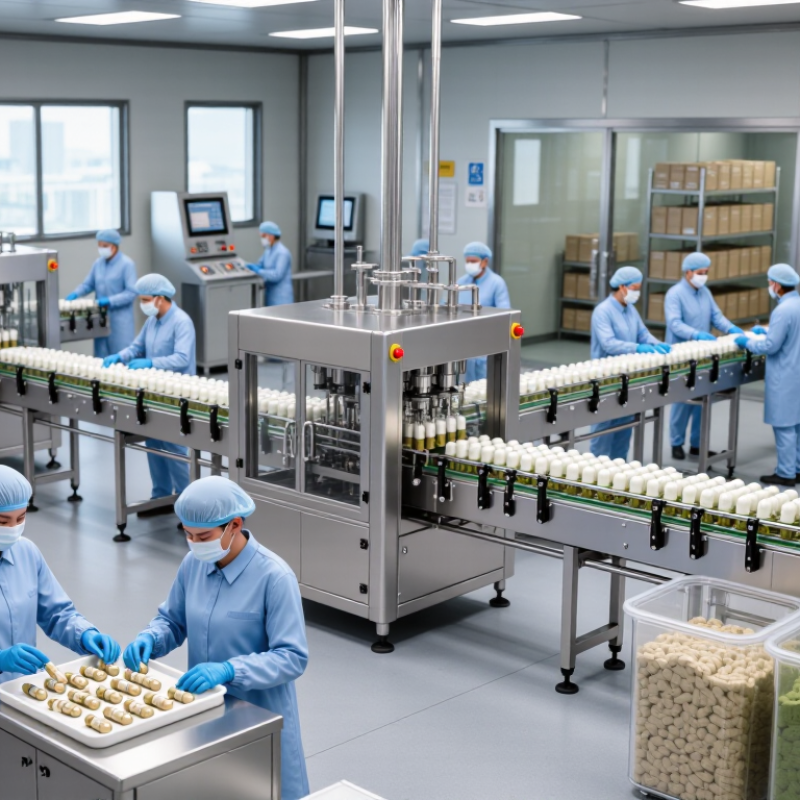
China Best Dietary Supplement Capsules Manufacturer?

What Makes a Dietary Supplement Capsule Manufacturer the Best in China

What makes a dietary supplement capsule manufacturer the best in China? It is not only production capacity or a low quotation. A reliable manufacturer combines formulation experience, controlled sourcing, and consistent capsule filling.

During supplier evaluations, buyers should inspect raw material records, batch documentation, and production areas. Clean rooms, calibrated equipment, and trained operators show practical manufacturing discipline. They do not prove everything, though.

Quality evidence matters.

The manufacturer should follow recognized GMP principles and maintain clear testing procedures for identity, purity, strength, and microbiological safety. Independent laboratory testing can support internal quality controls. Stability studies also help confirm that capsules remain suitable throughout their shelf life. Traceability should reach from the incoming ingredient to the finished carton. Ask for realistic timelines. Promises can sound better than operations.

Tips: Request recent certificates, sample test reports, and a complete specification sheet. Check whether the facility can explain capsule weight variation and rejection procedures clearly. Review communication during a small trial order. It often reveals more than a polished presentation. No factory is flawless. Even experienced teams may miss details, so corrective-action records deserve careful review. The best partner is transparent about limits, improves its process, and supports compliant production for the intended market.

Key Capsule Types and Customization Options Available

China Best Dietary Supplement Capsules Manufacturer?

Choosing a capsule manufacturer requires more than comparing prices. Production experience matters, especially when powders vary in density, moisture, and flow. Hard gelatin capsules suit many standard formulas, while HPMC capsules support vegetarian and plant-based product positioning. Enteric-coated capsules can delay release until the intestinal environment. Each option needs evidence, not assumptions.

Customization can include capsule size, color, opacity, imprint, shell material, and filling weight. Common sizes range from 000 to 5, depending on dose and swallowing comfort. Manufacturers should confirm powder compatibility through trials. A pale powder may need an opaque shell, while hygroscopic ingredients require stronger moisture control. Small details affect stability.

Reliable production should include raw material qualification, documented batch records, weight checks, microbial testing, and finished-product verification. Certificates alone are not enough. Samples should match approved specifications before larger production begins. A previous development project may look successful, yet poor powder flow can still cause inconsistent fills. That possibility deserves honest review. Clear communication about testing limits, lead times, storage, and applicable regulations helps buyers make safer decisions.

China Best Dietary Supplement Capsules Manufacturer? - Key Capsule Types and Customization Options Available

Capsule Type Primary Shell Material Typical Applications Key Advantages Important Considerations Common Customization Options
Hard Gelatin Capsules Gelatin derived from collagen Powders, granules, pellets, and selected multiparticulate formulas Widely used, efficient to fill, good oxygen barrier compared with many plant-based alternatives, and available in many sizes Not suitable for vegan products; shell performance can be affected by excessive heat and humidity Color combinations, printing, opaque or transparent shells, size selection, and band sealing
HPMC Vegetarian Capsules Hydroxypropyl methylcellulose, a cellulose-based polymer Vegan, vegetarian, botanical, mineral, probiotic, and sports nutrition products Plant-based positioning, broad consumer acceptance, and good compatibility with many moisture-sensitive formulas May require formula-specific filling and storage evaluation; raw material cost can be higher than gelatin Vegetarian labeling, customized colors, printing, shell opacity, capsule size, and delayed-release design
Pullulan Capsules Pullulan, a naturally fermented polysaccharide Premium plant-based supplements and formulas where a low-oxygen shell is desirable Plant-based, clear appearance, and strong oxygen-barrier characteristics Usually positioned as a premium option; compatibility, moisture, and filling performance should be validated Transparent or colored shells, printing, capsule size, and premium visual presentation
Enteric-Release Capsules Gelatin or HPMC with an enteric coating or enteric-coated fill Ingredients intended to resist release in the stomach and dissolve at a higher intestinal pH Can help protect acid-sensitive ingredients or reduce exposure of the stomach to selected ingredients Release behavior must be tested using appropriate dissolution methods; coating can increase processing complexity Target release profile, coating thickness, capsule material, color, printing, and stability packaging
Delayed-Release HPMC Capsules HPMC shell with a compatible delayed-release system Plant-based formulas requiring a modified release profile Supports vegetarian product claims while allowing formulation-specific release engineering Not every active ingredient requires delayed release; product claims should reflect validated testing Release timing, shell color, printing, fill composition, capsule size, and moisture-control packaging
Liquid-Filled Hard Capsules Gelatin or HPMC hard shell designed for liquid filling Oils, lipid-based ingredients, solutions, suspensions, and low-dose actives Useful for ingredients that are difficult to formulate as powders and can support accurate low-dose delivery Seal integrity, leakage risk, fill viscosity, and compatibility between the liquid and shell require testing Liquid fill volume, sealing method, shell material, color, printing, and light-protective packaging

Standard Capsule Sizes and Approximate Fill Capacity

Capsule Size Relative Volume Approximate Powder Fill Range* Typical Product Positioning
000 Largest standard size Approximately 800–1,600 mg High-dose powders and sports nutrition formulas
00 Large Approximately 500–1,100 mg Common adult dietary supplement size
0 Medium-large Approximately 400–800 mg General-purpose supplements with moderate serving sizes
1 Medium Approximately 300–600 mg Balanced option for dose size and swallowability
2–5 Small to very small Approximately 50–400 mg, depending on size and powder density Lower-dose actives, children’s formats, and products requiring easier swallowing

*Actual fill capacity varies significantly with ingredient density, particle size, flowability, formulation composition, and tamping conditions. Final capsule size should be confirmed through formulation and filling trials.

Common Customization Options for Dietary Supplement Capsules

Customization Area Available Choices Technical or Commercial Purpose
Shell Material Gelatin, HPMC, pullulan, or other validated capsule materials Supports dietary, vegan, vegetarian, religious, and market-specific requirements
Capsule Size Standard sizes from 000 through 5 Matches the formula’s bulk density, dosage, and target consumer swallowing preference
Color and Opacity Clear, opaque, single-color, two-tone, or selected custom colors Improves product identification, light protection, and visual differentiation
Printing Text, symbols, dosage identification, or artwork subject to regulatory review Supports traceability, product recognition, and tamper-evident visual presentation
Release Profile Immediate release, delayed release, or enteric release Controls where and how the ingredients are released in the gastrointestinal tract
Fill Format Powder, granule, pellet, tablet-in-capsule, liquid, or multiparticulate fill Allows different ingredient properties and delivery objectives to be accommodated
Packaging Format Bottles, blister packs, sachets, desiccant systems, and light- or moisture-protective materials Helps protect product quality and supports shelf-life requirements
Quality and Compliance Testing Identity, assay, microbiological, heavy-metal, stability, dissolution, and packaging compatibility testing as applicable Confirms that the finished product meets its specifications and applicable market requirements

How Chinese Manufacturers Control Quality and Production Safety

China Best Dietary Supplement Capsules Manufacturer?

How Chinese Manufacturers Control Quality and Production Safety

Reliable Chinese capsule manufacturers treat quality as a daily process, not a certificate on the wall. They qualify raw-material suppliers, review specifications, and place incoming ingredients in quarantine. Trained staff then verify identity, purity, moisture, and microbiological results before release. Each batch should carry a clear code, production record, and testing history.

Inside the facility, controlled airflow, cleaning schedules, and separated production zones reduce contamination risks. Metal detectors, calibrated weighing equipment, and documented line clearances support production safety. Finished capsules may undergo checks for weight variation, disintegration, microbial limits, and stability. Independent laboratories can provide additional confidence when testing requires specialized equipment.

Traceability matters during an audit. A responsible manufacturer can connect one capsule to its ingredients, operators, equipment, and packaging records. Food safety systems such as HACCP or ISO-based controls may strengthen this process, but certificates alone prove little. Paperwork can look perfect.

Practical buyers should inspect corrective-action records, not only marketing materials. They should ask how deviations are investigated, how complaints are handled, and whether retained samples are available. No factory is flawless. A rushed shift, unclear handover, or weak supplier review can still create gaps. Honest manufacturers acknowledge these risks and improve procedures through training, verification, and repeated internal audits.

Certifications, Testing Standards, and Regulatory Compliance

China Best Dietary Supplement Capsules Manufacturer?

Certifications, Testing Standards, and Regulatory Compliance

A dependable capsule manufacturer should provide current GMP certification and a clear audit trail. GMP controls hygiene, production records, equipment cleaning, and batch release procedures. ISO 22000 or HACCP certification can strengthen food safety management, but certificates need verification. Check the issuing body, validity dates, facility address, and certified product scope.

Testing should begin with raw material identity and supplier qualification. Each batch should receive a certificate of analysis, or COA. Useful tests include potency, microbial limits, heavy metals, pesticides, allergens, and moisture content. For botanical ingredients, DNA testing or chromatographic fingerprints may confirm identity. Finished capsules should match approved specifications, including weight variation, disintegration, and shelf-life data. Samples should come from actual production batches, not only laboratory demonstrations.

Regulatory compliance depends on the destination market. A manufacturer should review permitted ingredients, dosage limits, labeling rules, claims, and required notifications before production. Traceability records should connect each capsule batch to its raw materials, operators, test results, and shipment documents. A certificate alone proves little. I have seen documents that looked complete but lacked recent test dates or matching lot numbers. That weakness deserves attention. Independent laboratory testing can reduce uncertainty, although it adds time and cost. Some manufacturers may also struggle with changing regulations, so written communication and periodic supplier audits remain important.

This timeline highlights internationally recognized regulatory and quality frameworks relevant to dietary supplement capsule manufacturing. The years represent the publication, adoption, or latest major revision year of each framework—not a ranking of manufacturers. Market-specific requirements should always be verified with the applicable authority.

References: U.S. FDA 21 CFR Part 111; EU Directive 2002/46/EC; China GB 16740-2014; ISO 22000:2018; Codex Alimentarius CXC 1-1969, 2022 revision.

How to Select the Right Chinese Capsule Manufacturing Partner

China Best Dietary Supplement Capsules Manufacturer?

How to Select the Right Chinese Capsule Manufacturing Partner

Selecting a Chinese capsule manufacturer requires more than comparing prices. Check whether the facility follows documented quality procedures and permits independent audits. Ask for recent testing records, batch traceability, and clear handling procedures for raw materials. A reliable partner should explain capsule composition, production capacity, storage conditions, and contamination controls in plain language.

Request samples from different production batches. Inspect capsule color, size, odor, filling consistency, and packaging strength. Confirm that the facility can provide certificates of analysis from qualified laboratories. Stability testing also matters, especially for products exposed to heat or humidity during shipping. Review the manufacturer’s experience with your target market’s labeling and safety requirements. Regulations differ across countries, so written verification is essential.

Communication reveals practical reliability. Notice how quickly the team answers technical questions, corrects unclear documents, and reports problems. Ask about minimum order quantities, lead times, change control, rejected batches, and recall procedures. A low quotation may look attractive, but hidden testing or packaging costs can appear later. I have learned that polished presentations do not always reflect factory discipline. Even a careful evaluation can miss something. Use a written quality agreement, conduct a site or virtual audit, and keep approval records for every production stage.

FAQS

What capsule materials are commonly available?

Hard gelatin capsules suit many standard powder formulas. HPMC capsules support vegetarian and plant-based products. Each material needs compatibility testing.

When are enteric-coated capsules useful?

Enteric coatings can delay release until the intestinal environment. This choice requires supporting evidence, not assumptions. Performance may vary between formulas.

Which capsule sizes can be customized?

Common sizes range from 000 to 5. Selection depends on dose, powder density, and swallowing comfort. Bigger is not always better.

What capsule features can manufacturers customize?

Options include size, color, opacity, imprint, shell material, and filling weight. A pale powder may need an opaque shell. Small details matter.

How should powder compatibility be checked?

Request production trials before approving larger batches. Check powder flow, moisture, density, and fill consistency. Powder behavior can change unexpectedly.

What quality records should a manufacturer provide?

Ask for raw material qualification, batch records, weight checks, microbial testing, and finished-product verification. Certificates alone are not enough.

How can sample quality be evaluated?

Compare samples from different batches. Inspect color, odor, capsule size, filling consistency, and packaging strength. Keep approval records.

What should buyers confirm before signing an agreement?

Confirm testing limits, lead times, storage conditions, minimum orders, change control, and rejected-batch procedures. Written details prevent later confusion.

Is a low quotation always the best choice?

No. Hidden testing or packaging costs may appear later. Polished presentations can mislead. Even careful evaluations miss something.

Conclusion

Choosing the best Dietary Supplement Capsules manufacturer in China requires more than comparing prices. A reliable partner should combine advanced production facilities, experienced technical teams, flexible customization, and consistent capacity for different capsule types, including gelatin and vegetarian options. Manufacturers should also support customized formulations, colors, sizes, packaging, and labeling while maintaining clear communication throughout product development.

Quality and safety depend on strict raw material controls, hygienic production environments, validated processes, and thorough testing at every stage. Look for manufacturers with recognized certifications, documented quality management systems, batch traceability, and testing for identity, purity, strength, and microbiological safety. Regulatory compliance should be supported by accurate documentation and transparent production records. Before selecting a partner, evaluate its manufacturing capabilities, quality controls, communication, lead times, minimum order requirements, customization support, and after-sales service. A dependable manufacturer should provide consistent product quality, reliable delivery, and professional support from sampling through final production.

Aurora

Aurora

Aurora is a dedicated marketing professional with a strong understanding of the company’s products, customers, and industry landscape. With a thoughtful, research-driven approach, Aurora transforms complex product capabilities into clear, practical, and engaging content that helps readers make......