Industry News & Insights

OEM / ODM Manufacturing Blog

Expert guides, market trends, formulation tips & compliance updates from Malaysia's premier contract manufacturer.

0%

The 2026 Top OEM Household Cleaning Products Manufacturers guide explores suppliers shaping today’s private-label cleaning market. It focuses on practical manufacturing capabilities, not polished promises alone. Reliable OEM partners should support formula development, packaging design, quality control, and consistent delivery.

The review considers experience with dishwashing liquids, laundry detergents, surface cleaners, disinfecting products, and concentrated formulas. It also examines factory capacity, testing procedures, ingredient transparency, and production flexibility. A strong supplier should provide clear documentation, stable samples, and realistic lead times. These details matter when a retailer must move thousands of bottles through warehouses and stores.

Small details reveal operational discipline.

For example, accurate batch records and secure cap seals can prevent costly complaints. Responsible manufacturers should understand applicable safety, labeling, environmental, and chemical requirements in target markets. Certifications may support credibility, but buyers should verify their scope and validity. No supplier is perfect. Some offer excellent formulation support but limited packaging options. Others provide competitive pricing while requiring larger minimum orders.

This introduction sets a practical framework for comparing OEM Household Cleaning Products manufacturers in 2026. The goal is not to promote one factory blindly. It is to help importers, retailers, and emerging brands ask better questions. Product performance, communication quality, and after-sales support deserve equal attention. A low quotation can look attractive, yet hidden testing costs or delayed shipments may change the final calculation. Careful evaluation remains essential.
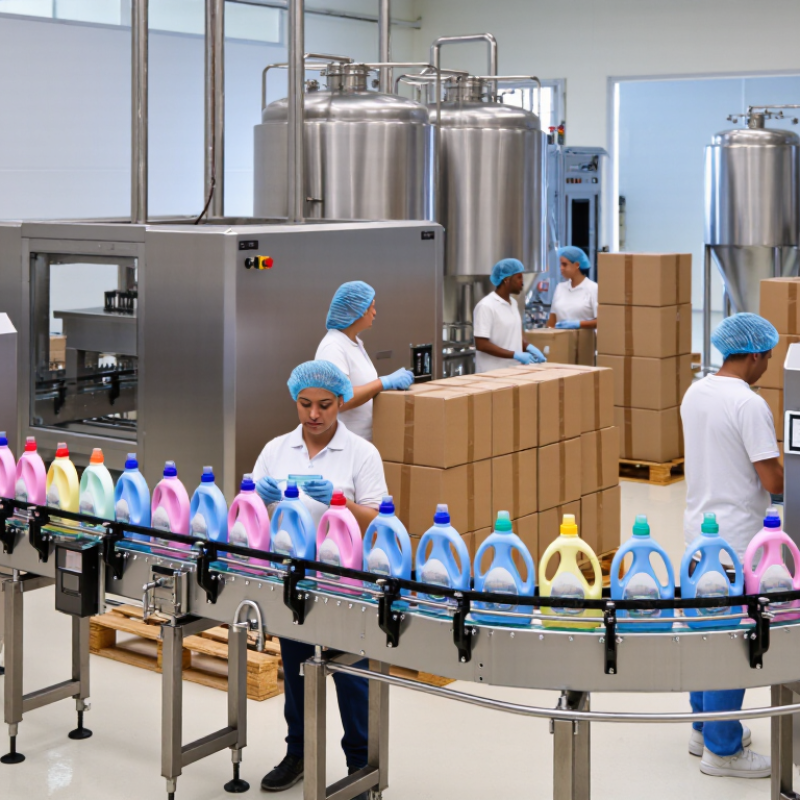
2026 Top OEM Household Cleaning Products Manufacturers

Definition and Role of OEM Household Cleaning Product Manufacturers

OEM household cleaning product manufacturers create goods for another company’s label, specifications, and market position. They may develop formulas, source approved ingredients, produce batches, fill containers, and prepare finished packaging. Their role is broader than factory production. A reliable manufacturer connects formulation science with practical household use, cost control, and consistent quality.

Experienced teams test cleaning performance, surface compatibility, stability, scent strength, and packaging durability. They also maintain batch records and traceable raw material documents. Responsible manufacturers review product claims carefully. “Removes grease” requires support, while exaggerated promises can mislead consumers. Manufacturing sites should follow suitable hygiene, safety, and quality systems. Local requirements still differ, so buyers must verify compliance for every target market.

Tips: Ask for pilot samples, ingredient documentation, quality certificates, and clear inspection procedures. Test products on common surfaces, including sealed wood, stainless steel, and ceramic. Check whether caps leak after transport. Small details matter. A strong OEM partner can adjust fragrance, viscosity, color, and packaging without losing batch consistency. However, no supplier is perfect. A formula may clean well but feel harsh, or attractive packaging may increase waste and shipping costs. Buyers should record these weaknesses early and discuss realistic improvements before large-scale production.

2026 Top OEM Household Cleaning Products Manufacturers: Definition and Role

OEM household cleaning product manufacturers develop, formulate, test, package, and produce cleaning products for other businesses under the buyer’s specifications or private label. The timeline below shows typical industry benchmark ranges for major OEM project stages.

Lead times are typical benchmark ranges in weeks. Actual timing depends on formula complexity, regulatory requirements, packaging availability, testing scope, and order volume.

Core Product Categories and Manufacturing Capabilities

OEM household cleaning products cover more than standard laundry detergent. Core categories include liquid laundry cleaners, dishwashing liquids, multipurpose sprays, bathroom cleaners, glass cleaners, floor solutions, and powdered formulations. Some manufacturers also develop concentrated refills and fragrance-free options for sensitive users. Each category needs a different balance of cleaning power, viscosity, scent, color, and packaging format.

Experienced OEM factories usually operate stainless-steel mixing tanks, controlled heating systems, filtration units, and automated filling lines. They can adjust pH, viscosity, foam level, fragrance strength, and active ingredient concentration according to a buyer’s specification. Small pilot batches help test stability before full production. Quality teams commonly check appearance, odor, density, pH, filling weight, microbial safety, and package leakage. Batch records and retained samples support traceability.

Details matter here. A trigger sprayer may clog when a formula is too thick. A bright fragrance can fade after storage. Powder can cake in humid conditions. These problems are easy to underestimate. Good manufacturers use compatibility testing, accelerated stability checks, and real-time storage reviews before approval. They should also provide clear technical documents and production evidence, not only attractive samples. Customization sounds simple, but every change can affect cost, performance, shelf life, or packaging. That is where careful communication becomes essential.

How OEM Cleaning Product Development and Production Work

OEM household cleaning product development begins with a practical brief. It defines the target surface, cleaning purpose, fragrance preference, package size, and expected price. A manufacturer then reviews the formula for performance, stability, user safety, and production feasibility. Small details matter. A trigger must spray evenly. A cap must close without leaking.

Laboratory specialists create or adjust the formula using selected surfactants, solvents, preservatives, fragrances, and water quality controls. They test appearance, odor, viscosity, pH, and cleaning performance. Compatibility testing checks whether the formula reacts with the bottle, label, closure, or spray mechanism. This stage can reveal problems after several weeks, not just after one day. A formula may look perfect at first.

Pilot production follows successful laboratory testing. The team checks mixing order, temperature, filling speed, batch consistency, and container cleanliness. Quality records should identify raw material lots, equipment settings, test results, and release approval. Production workers also inspect fill volume, label placement, seal condition, and carton strength. Traceability is essential.

The process is rarely flawless. A fragrance may overpower the cleaning experience, or a thick formula may clog a nozzle. That requires honest review, reformulation, and another test cycle. Manufacturers with strong technical experience do not rush these decisions. They compare results against agreed specifications and applicable market requirements before larger production begins. Clear communication between the product owner and OEM team prevents assumptions from becoming expensive defects.

Quality Standards, Safety Controls, and Regulatory Compliance

2026 Top OEM Household Cleaning Products Manufacturers

Quality begins long before a household cleaner reaches a store shelf. Reliable OEM manufacturers define raw material specifications, supplier checks, and measurable batch targets. Each formula should have controlled pH, viscosity, fragrance strength, and appearance. Small changes matter.

Safety controls require practical testing, not attractive paperwork. Manufacturers commonly review skin and eye irritation data, stability results, packaging compatibility, and microbial risk. Concentrated products need clear dilution instructions. Child-resistant packaging may apply in certain markets. Safety Data Sheets must match the actual formula and remain accessible to workers and buyers.

Regulatory compliance depends on the destination market. Ingredient disclosure, hazard labeling, advertising claims, and environmental statements require documented evidence. A responsible factory keeps batch records, retains samples, and maintains traceability from raw material to finished carton. Independent laboratory testing can strengthen confidence, especially for disinfecting or antibacterial claims.

Certificates help, but they are not proof of everything. An audit may miss a rushed line change or an unclear cleaning record. This is where experienced quality teams ask difficult questions and inspect real production habits. No control system is perfect. Continuous review remains necessary.

2026 Top OEM Household Cleaning Products Manufacturers - Quality Standards, Safety Controls, and Regulatory Compliance
Evaluation Dimension Relevant Standard or Regulation Objective OEM Compliance Evidence Applicable Product or Market Scope Procurement Verification Benchmark
Quality Management System ISO 9001:2015 Current certificate from an accredited certification body, documented procedures, internal audits, corrective actions, and management review records. All household cleaning products and contract manufacturing activities. Certificate scope should cover the manufacturing site and relevant product categories.
Environmental Management ISO 14001:2015 Environmental aspects register, waste controls, wastewater management, chemical storage controls, and continual-improvement records. Manufacturing sites handling surfactants, solvents, acids, alkalis, fragrances, and packaging materials. Verify site-level certification or equivalent documented environmental controls.
Worker Health and Safety ISO 45001:2018 Hazard assessments, personal protective equipment procedures, chemical exposure controls, emergency drills, and incident investigation records. Facilities producing concentrated liquids, powders, aerosols, disinfectants, and corrosive formulations. The safety system should cover production, laboratories, warehouses, and loading areas.
Raw Material Approval Supplier quality procedures and applicable chemical legislation Approved supplier list, specifications, certificates of analysis, safety data sheets, allergen or impurity declarations, and incoming inspection records. Surfactants, builders, preservatives, enzymes, fragrances, solvents, colorants, and packaging components. Critical raw materials should be released against defined specifications before use.
Formula and Process Control ISO 9001 documented-information controls; good manufacturing practice principles Master formula, controlled batch instructions, validated weighing procedures, equipment calibration, line-clearance checks, and process records. Liquid, powder, tablet, capsule, trigger-spray, and concentrated cleaning products. Formula changes, substitutions, and process deviations should require documented approval.
Batch Traceability ISO 9001 traceability and recall-control principles Lot or batch code linked to raw materials, production date, operators, equipment, packaging components, release status, and shipment records. All finished products and private-label or OEM production runs. A complete forward-and-backward traceability record should be available for each batch.
Finished-Product Testing Validated laboratory methods and product specifications Testing for appearance, odor, pH, density, viscosity, active content, microbiological quality where relevant, and packaging compatibility. Water-based cleaners, disinfectants, detergents, degreasers, and specialty formulations. Every batch should have documented release criteria matched to the approved product specification.
Microbiological Control Risk-based microbiological quality program Water-quality monitoring, environmental hygiene procedures, preservative assessment where applicable, microbial limits, and out-of-specification investigation. Water-based products, liquid concentrates, wipes, and products containing natural or biodegradable ingredients. Testing frequency should be justified by formulation risk, packaging type, and product shelf life.
Disinfectant Claims United States: FIFRA; European Union: Biocidal Products Regulation (EU) No. 528/2012 Approved active-substance information, efficacy test reports using relevant standards, approved label language, and market-specific registration or authorization evidence. Products making antibacterial, antiviral, fungicidal, sanitizing, or disinfecting claims. Marketing claims must not exceed the claims supported by the applicable authorization and efficacy data.
Hazard Classification and Labels UN GHS; European Union CLP Regulation (EC) No. 1272/2008; United States FHSA where applicable Current classification calculation, signal word, hazard statements, precautionary statements, pictograms, supplier information, and compliant packaging or labeling artwork. Products classified as flammable, corrosive, irritant, sensitizing, toxic, or hazardous to the aquatic environment. The label and packaging should match the latest approved formula and market-specific legal requirements.
Safety Data Sheets UN GHS-based SDS requirements; applicable national or regional rules Current 16-section SDS, exposure controls, first-aid measures, handling and storage guidance, transport information, and revision history. Hazardous mixtures and products supplied to distributors, professional users, or industrial customers. SDS language, format, and hazard information should be adapted to the destination market.
Detergent Ingredient Disclosure European Union Detergents Regulation (EC) No. 648/2004 Ingredient information, required allergen fragrance disclosure where applicable, dosage instructions, labeling review, and public ingredient-information process. Detergents and cleaning products placed on the European Union market. The formula, label, technical file, and ingredient disclosure should be consistent.
Chemical Registration and Restrictions European Union REACH Regulation (EC) No. 1907/2006 Substance registration or exemption assessment, supplier communication, restriction screening, SVHC review, and documented downstream-use evaluation. Products containing chemical substances supplied into or manufactured for the European Union market. Obligations should be assessed by substance, concentration, role in the mixture, and supply-chain position.
Safer-Chemistry Screening United States EPA Safer Choice Standard, where participation is requested Ingredient review, human-health and environmental criteria assessment, product-performance evidence, and ongoing formulation or labeling controls. Household and institutional cleaning products seeking a recognized safer-ingredient program. Use only when the product is eligible and the required program review or certification has been completed.
Packaging Compatibility Transport and packaging safety requirements; product-specific compatibility testing Container-closure integrity, leak testing, drop testing, stress-crack evaluation, spray-trigger performance, and chemical compatibility data. Liquids, corrosive products, aerosols, refill pouches, tablets, and concentrated formulas. Testing should reflect expected storage temperature, transport conditions, orientation, and shelf life.
Transport Classification UN Recommendations on the Transport of Dangerous Goods and applicable modal regulations Transport classification, proper shipping name, UN number where applicable, packing group, marks, labels, and dangerous-goods documentation. Flammable, corrosive, oxidizing, environmentally hazardous, or otherwise regulated products. Classification should be reviewed after formula, concentration, or packaging changes.
Change Management ISO 9001 change-control principles and customer approval procedures Formal change request, impact assessment, revised specifications, regulatory review, stability or performance testing, and customer notification. Formula, raw material supplier, manufacturing site, process, packaging, artwork, or label changes. No critical change should be implemented without documented risk assessment and approval.
Shelf-Life Validation Risk-based stability and packaging studies Real-time and, where justified, accelerated stability data covering physical appearance, chemical performance, microbiological quality, and packaging integrity. Products with specified expiry dates, performance claims, preservatives, fragrances, enzymes, or reactive ingredients. Shelf life should be supported by data generated from the commercial formula and final packaging.
Nonconformance and CAPA ISO 9001 corrective-action principles Nonconformance records, root-cause analysis, containment, corrective and preventive actions, effectiveness checks, and trend analysis. Raw materials, in-process controls, finished products, packaging, complaints, and audit findings. Repeated defects should trigger documented trend review and preventive action.
Recall Readiness Documented product-recall and incident-response procedures Recall plan, responsible contacts, distribution records, customer notification process, mock-recall results, and regulatory escalation procedure. All OEM products, especially disinfectants, corrosive cleaners, and products sold to consumers. The manufacturer should demonstrate that affected lots can be identified and isolated promptly.
Ethical and Social Compliance Customer code of conduct and applicable labor, health, safety, and environmental laws Site audit reports, working-hours and wage records, emergency preparedness, grievance mechanisms, and subcontractor controls. OEM manufacturing sites and approved outsourced operations. Audit scope should include production, warehouses, laboratories, and relevant subcontractors.
Supplier Audit Readiness ISO 19011 auditing guidance and customer-specific supplier requirements Audit calendar, audit reports, corrective-action closure records, calibration certificates, laboratory qualifications, and document-control records. Manufacturers seeking long-term OEM supply agreements. Critical findings should have documented containment, root cause, owner, deadline, and verification of closure.
Regulatory obligations depend on the destination market, product formulation, concentration, packaging, intended use, and marketing claims. Final compliance should be confirmed through a current legal and technical review before commercialization.

Key Factors for Choosing an OEM Cleaning Products Manufacturer

Choosing an OEM household cleaning products manufacturer requires more than comparing unit prices. Start with formulation expertise, production experience, and documented quality systems. Ask how the factory controls raw materials, water quality, filling accuracy, and batch consistency. A reliable manufacturer should provide test records, safety data, and clear ingredient documentation.

Visit the facility when possible. Look for clean mixing tanks, labeled storage areas, calibrated equipment, and trained operators. Small details matter. Check whether production records can trace one bottle back to its raw materials and filling date. Confirm the manufacturer can support stability testing, packaging compatibility, and performance checks under realistic household conditions. A polished sample may still hide weak scale-up controls.

Communication also deserves careful testing. Request a written development schedule, sample approval process, minimum order quantities, and change-control policy. Claims such as “disinfecting” or “eco-friendly” must match available evidence and local requirements. Ask who reviews labels before printing. Mistakes here can become expensive. It is also wise to test response times during development, not after signing a large order. Fast replies are useful, but precise replies are better. No factory is perfect, including experienced ones. A transparent partner should admit limits, explain corrective actions, and improve when testing reveals an unexpected result.

FAQS

What information should an OEM cleaning product brief include?

It should define the target surface, cleaning purpose, fragrance, package size, and expected price. Small details matter. The spray trigger must work evenly, and the cap must close without leaks.

How is a household cleaning formula developed?

Laboratory specialists select surfactants, solvents, preservatives, fragrances, and suitable water controls. They test appearance, odor, viscosity, pH, and cleaning performance. A formula may look perfect at first, but later problems can appear.

Why is packaging compatibility testing necessary?

The formula must be tested with the bottle, label, closure, and spray mechanism. Some reactions appear only after several weeks. A thick liquid might clog the nozzle or weaken the seal.

What happens during pilot production?

The team checks mixing order, temperature, filling speed, batch consistency, and container cleanliness. Workers inspect fill volume, label placement, seals, and carton strength. Small production errors can become expensive.

What quality records should an OEM manufacturer maintain?

Records should identify raw material lots, equipment settings, test results, and release approval. They should also connect each bottle with its filling date and production batch. Traceability is essential.

How can a buyer evaluate an OEM cleaning products manufacturer?

Review formulation experience, production capacity, documented quality systems, and test records. Ask about raw materials, water quality, filling accuracy, and batch consistency. A polished sample can still hide weak scale-up controls.

What should a facility visit reveal?

Look for clean mixing tanks, labeled storage areas, calibrated equipment, and trained operators. Check whether workers follow clear production records. Clean floors alone prove very little.

How should communication be tested before placing a large order?

Request a written development schedule, sample approval process, minimum order quantity, and change-control policy. Test response speed and technical accuracy during development. Fast replies help. Precise replies matter more.

How should product claims and labels be reviewed?

Claims must match available evidence and applicable market requirements. Ask who checks the label before printing. One unchecked phrase can create costly rework.

What should happen when testing reveals a problem?

The team should review the cause, adjust the formula or process, and repeat testing. A fragrance may overpower the cleaning experience. Manufacturers should admit limits and explain corrective actions.

Conclusion

OEM Household Cleaning Products manufacturers help businesses develop and produce customized cleaning solutions under their own labels. They support the complete process, from product concept and formula selection to packaging, labeling, and large-scale production. Their capabilities may include liquid cleaners, disinfecting products, laundry care, kitchen and bathroom solutions, surface sprays, and specialized household formulas. A reliable manufacturer can also adjust fragrance, concentration, packaging size, and product performance to meet different market needs.

The development and production process typically includes market planning, formula testing, sample approval, raw material sourcing, manufacturing, filling, and final inspection. Strong quality systems are essential, including controlled production environments, batch traceability, ingredient evaluation, stability testing, and accurate labeling. When choosing an OEM partner, businesses should consider manufacturing capacity, technical expertise, communication, quality management, compliance support, minimum order requirements, lead times, and packaging flexibility. Careful evaluation helps ensure consistent products, safe use, efficient production, and dependable long-term cooperation.

Ethan

Ethan

Ethan is a professional marketing specialist dedicated to helping businesses understand how thoughtful strategy, reliable products, and meaningful customer experiences can work together to drive sustainable growth. With a strong understanding of the company’s solutions, he regularly contributes......