
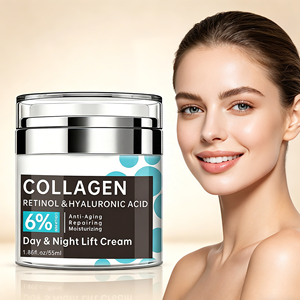
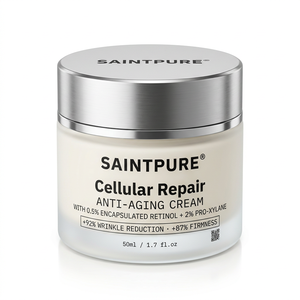
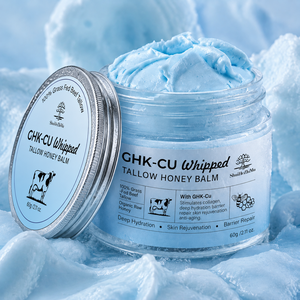
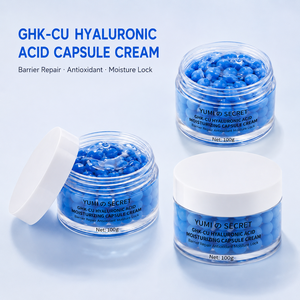
1. Strategic Overview: The Brazilian Clean & Vegan Beauty Landscape
Brazil represents the largest cosmetics and personal care market in Latin America and ranks fourth globally. However, entering and scaling within the Brazilian market requires a sophisticated understanding of consumer shifts and regulatory mechanics. In recent years, Brazilian consumers have moved decisively from conventional cosmetics toward Conscious Beauty (Beleza Consciente), prioritizing vegan formulations, cruelty-free sourcing, ethical supply chains, and skin-friendly actives.
According to data from the Sociedade Vegetariana Brasileira (SVB) and ABIHPEC (Brazilian Association of the Personal Hygiene, Perfumery and Cosmetics Industry), over 30% of Brazilian beauty consumers actively seek out product labels bearing "Cruelty-Free," "Vegan," or "Clean Formula" seals. Crucially, Brazilian beauty standards demand high efficacy—anti-aging micro-encapsulated actives, deep hydration without greasy residues, skin brightening without irritation, and barrier restoration adapted for high humidity and tropical sun exposure.
Traditional anti-aging creams historically relied on bovine or marine collagen and animal-derived tallow. To succeed in Brazil's modern market, international and local brands require biotech-derived vegan alternatives. Our factory specializes in yeast-fermented recombinant plant collagen, micro-algae peptides, and plant-based lipid balms that mimic tallow bio-compatibility while maintaining 100% vegan certification.
Key Market Drivers in Brazil:
Cruelty-Free Mandate
Federal regulations in Brazil have progressively restricted animal testing for cosmetics. Importers must supply verified non-animal safety dossiers.
Tropical Climate Physics
High relative humidity in Rio de Janeiro, São Paulo, and the North/Northeast requires non-comedogenic, fast-absorbing micro-emulsions that don't melt or separate.
ANVISA RDC 752/2022
Compliance with Brazil's National Health Surveillance Agency (ANVISA) requires meticulous INCI indexing, safety assessments, and physical-chemical stability validation.
2. Technical Formulation Science: Bio-Fermentation & Plant-Based Biomimetic Actives
Formulating vegan cosmetics for export to Brazil involves far more than simply omitting animal by-products. It requires precise biochemical engineering to ensure that plant-derived and synthetic biotechnological ingredients match or exceed the efficacy of traditional cosmetic benchmarks.
A. Vegan Recombinant Collagen & Botanical PDRN
Hydrolyzed animal collagen molecules are traditionally too large to penetrate the stratum corneum effectively and fail vegan standards. Our OEM research laboratory utilizes Pichia pastoris fermentation to produce low-molecular-weight Recombinant Phyto-Collagen. When paired with high-purity Hyaluronic Acid (across three molecular weights: 3KDa, 50KDa, and 1.5MDa), it creates a multi-layer hydration matrix suitable for tropical skin physiology.
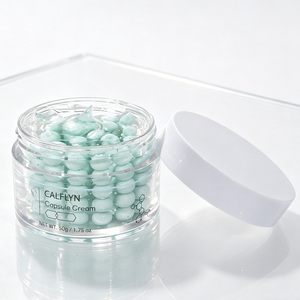
Furthermore, our plant-derived Botanical PDRN (Polydeoxyribonucleotide)—extracted from purified plant germ cells—delivers cellular repair signals similar to traditional salmon-derived PDRN, stimulating fibroblast proliferation without animal sourcing. This ingredient powers high-performance neck contouring creams, micro-encapsulated pearl spheres, and intensive repair serums.
B. Copper Tripeptide-1 (GHK-Cu) & Encapsulated Pro-Xylane
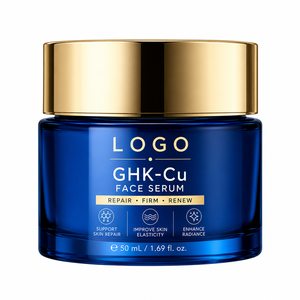
Biomimetic peptides represent the pinnacle of clean anti-aging science. GHK-Cu (Copper Peptide) naturally triggers glycosaminoglycan synthesis and collagen tissue remodeling. However, Copper Peptides are notoriously sensitive to oxidation and pH shifts. Our manufacturing facility employs double-layer lipid micro-encapsulation technology, shielding GHK-Cu molecules until skin application. This ensures long shelf-life stability during transatlantic shipping and warehouse storage under Brazilian climate conditions.
| Active Ingredient | Traditional Source | Our Bio-Engineered Vegan Solution | Key Efficacy Benefit |
|---|---|---|---|
| Hydrolyzed Collagen | Bovine / Porcine Hide | Recombinant Yeast Fermentation (Phyto-Collagen) | Improves elasticity; 98% skin compatibility without allergenic risks. |
| PDRN | Salmon Milt / Fish DNA | Purified Plant Germ Cell Micro-Extraction | Accelerates skin barrier repair and cellular regeneration. |
| Skin Repair Balm Matrix | Beef Tallow / Lard | Cold-Pressed Shea, Murumuru & Botanical Lipids | Provides deep TEWL protection without animal fats or pore clogging. |
| Pro-Xylane | Synthetic Solvent Processing | Green-Chemistry Beech Wood Xylol Synthesis | Densifies extracellular matrix, smoothing wrinkles and restoring firmness. |
C. Tropicalization Formulation Protocol (Heat & Humidity Resilience)
A frequent failure point for imported creams in Brazil is Phase Separation (syneresis) caused by elevated transport and ambient temperatures (reaching 38°C to 45°C in transit). Our R&D team subjects every Brazilian custom formulation to Accelerated Stability Stress Testing:
- Thermal Cycling: 48 hours at -10°C followed by 48 hours at 45°C (5 complete cycles).
- Centrifugation Testing: 3,000 RPM for 30 minutes at 40°C to guarantee emulsion integrity.
- Viscosity Retention: Rheological tuning using eco-certified polymeric thickeners to prevent thinning in tropical heat.
3. ANVISA Regulatory Framework & Brazil Export Compliance Guide
Navigating the regulatory landscape established by ANVISA (Agência Nacional de Vigilância Sanitária) is critical for brand owners, distributors, and importers. Cosmetics in Brazil are classified into Grade 1 (Grau 1 - low risk products such as basic moisturizers) and Grade 2 (Grau 2 - high risk products requiring technical efficacy claims, such as anti-acne, SPF, or deep anti-wrinkle treatments under RDC 752/2022).
INCI & Ingredient Clearance
Every raw material must be indexed against ANVISA's permitted substance list. Our regulatory team audits formulas to eliminate banned colorants, restricted preservatives, or non-compliant UV filters.
Microbiological Safety Dossier
ANVISA mandates strict microbiological ceilings (< 100 CFU/g for facial/eye area products). We provide full COA (Certificate of Analysis) covering Total Aerobic Microbial Count and absence of Pseudomonas aeruginosa, Staphylococcus aureus, and Candida albicans.
Technical Dossier (AFE & Registration Support)
We provide Brazilian importers with complete Product Technical Dossiers, stability study documentation, packaging specs, and Free Sale Certificates (FSC) to accelerate local registration.
Synergy with Amazonian Biodiversity Ingredients
A unique strategy for foreign brands entering Brazil or Brazilian brands manufacturing abroad is Active Sourcing Synergy. By combining world-class clinical bio-actives (such as GHK-Cu, Encapsulated Retinol, and Arbutin) with indigenous Brazilian botanicals (Cacay Oil, Bakuchiol, Pracaxi Seed Oil, and Tucumã Butter), brands create high-value storytelling that resonates powerfully with Brazilian dermatologists and consumers alike.
4. OEM/ODM Factory Infrastructure & Quality Control Standards
As an international contract manufacturer supplying global markets including Latin America, our state-of-the-art manufacturing facilities are built around stringent ISO 22716 (Cosmetic GMP) and US FDA cGMP guidelines. We offer end-to-end turnkey production—from raw material synthesis to automated high-speed filling and packaging.
Advanced Manufacturing Infrastructure:
- Class 100,000 Cleanroom Processing: Environmentally controlled compounding zones with HEPA filtration to eliminate airborne contamination.
- Triple-Action Vacuum Emulsification Tanks: German-engineered micro-homogenizers capable of reducing emulsion droplet sizes to under 2 microns, ensuring silky tactile absorption required for tropical skin.
- Nitrogen-Purged Filling Lines: Protects oxidation-sensitive actives (Retinol, Vitamin C, GHK-Cu Copper Peptides) during container sealing.
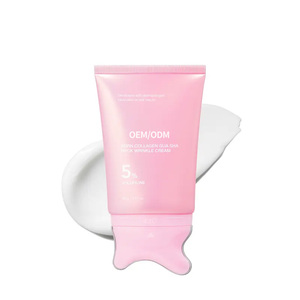
- Custom Packaging Versatility: Dual-chamber bottles, airless pump jars, cosmetic tubes with integrated Gua Sha massage applicators, and nitrogen micro-capsule spherical pearl filling.
1. Formula Customization: Adjust viscosity, fragrance profile (allergen-free), active concentrations, and target price points.
2. Sample Development: Express 5 to 7 day laboratory sample turnaround for client evaluation and stability validation.
3. Regulatory Preparation: Issuance of MSDS, COA, Heavy Metal Analysis, Challenge Tests, and INCI breakdowns.
4. Mass Production & Shipping: Streamlined production runs (MOQ starting at 1,000 units) with direct logistics support to Santos, Paranaguá, or Rio de Janeiro ports.
5. Frequently Asked Questions (FAQ) for Importers & Brands in Brazil
6. Why Partner with Our Manufacturing Facilities?
Choosing the right OEM/ODM contract manufacturer is the single most vital operational decision for a cosmetic brand expanding into Brazil. We combine cutting-edge pharmaceutical R&D with commercial manufacturing agility.
In-House R&D Excellence
Over 30 senior cosmetic chemists and bio-engineers dedicated to active micro-encapsulation, peptide synthesis, and natural preservation systems.
Global Export Logistics
Extensive experience shipping to Latin America, fully versed in customs documentation, bill of lading requirements, and international freight handling.
Turnkey Brand Solutions
From initial concept, active ingredient customization, packaging design, and lab testing to finished product box assembly—we handle the entire supply chain.
Ready to Build Your Vegan Skincare Line for Brazil?
Request our full B2B product catalog, custom formulation sample kits, and ANVISA compliance dossier today.
Get Catalog