
Featured Export Products for the Nigerian Market
Specifically engineered for sub-Saharan melanin-rich skin profiles and high ambient humidity. Tested for thermal stability, trans-epidermal barrier retention, and active ingredient bio-availability.
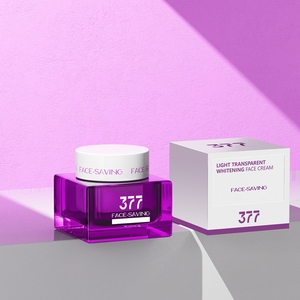
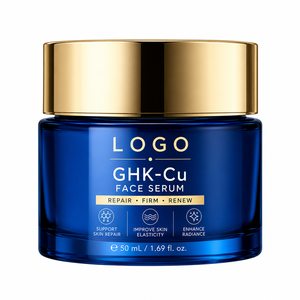
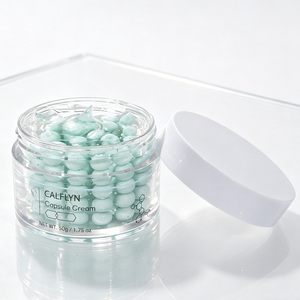
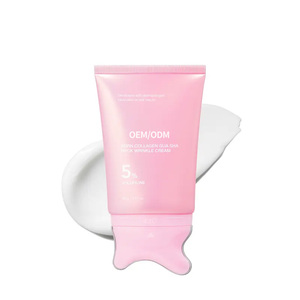
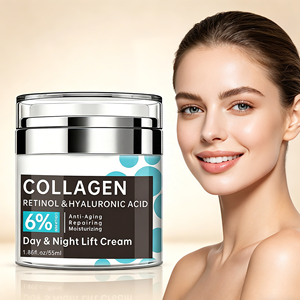
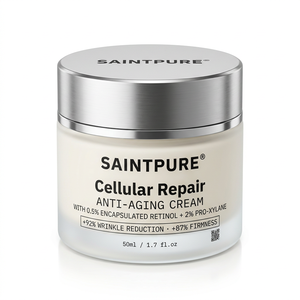
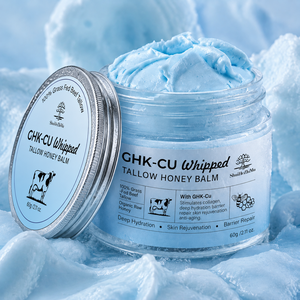
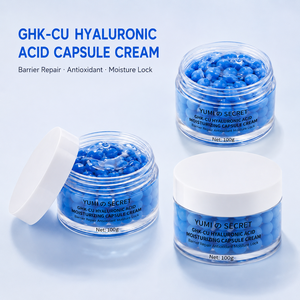
Nigeria Cosmetic Import Dynamics & Efficacy Metrics
Strategic Analysis: Exporting Custom Cosmetic Formulations to Nigeria
The Nigerian cosmetic market represents the primary economic engine of West Africa's beauty sector. Driven by a rapidly expanding urban middle class in metropolitan centers like Lagos, Abuja, Port Harcourt, and Kano, consumer demand has evolved beyond basic hydrators toward high-efficacy, bio-active, and melanin-tailored dermatological formulations. For international brand owners, private label distributors, and cosmetic exporters, penetrating this market requires a sophisticated understanding of regional dermatological needs, ambient climate challenges, regulatory dynamics governed by NAFDAC (National Agency for Food and Drug Administration and Control), and supply chain logistics through West African maritime corridors.
As a premier contract manufacturer and custom formulation exporter, our state-of-the-art facility bridges advanced cosmetic science with localized market intelligence. We formulate, stability-test, and package private label skincare lines specifically engineered to thrive in tropical and sub-Saharan conditions while providing exceptional Information Gain and competitive differentiation for Nigerian B2B buyers.
1. Dermatological Science for Melanin-Rich Skin Profiles
Formulating for Nigerian skin types (predominantly Fitzpatrick Scale Types IV, V, and VI) demands specialized biochemical approaches. Melanin-rich skin possesses a dense, highly reactive stratum corneum with elevated baseline transepidermal water loss (TEWL) and hyper-active melanocytes. Standard European or East Asian off-the-shelf formulations frequently fail in West Africa due to heavy synthetic waxes that cause follicular occlusion (acne cosmetica) or insufficient targeting of post-inflammatory hyperpigmentation (PIH).
Our R&D laboratory prioritizes non-cytotoxic, non-hydroquinone active complexes designed to regulate melanogenesis naturally without compromising barrier integrity:
Tyrosinase Inhibition
Utilizing pure Alpha-Arbutin, Kojic Acid Dipalmitate, and Niacinamide (Vitamin B3) to interrupt melanosome transfer without damaging epidermal melanocytes, ensuring safe, uniform skin brightening.
Peptide Cellular Repair
Harnessing GHK-Cu (Copper Tripeptide-1) and PDRN (Polydeoxyribonucleotide) to stimulate Type I and III collagen synthesis, accelerate tissue regeneration, and reverse photo-aging induced by high UV indexes.
Advanced Glycation Matrix
Incorporating Pro-Xylane (Hydroxypropyl Tetrahydropyrantriol) to rebuild extracellular matrix density and replenish glycosaminoglycans (GAGs) lost to environmental stress.
2. Climate-Resilient Formulation & Thermal Stability Engineering
Exporting cosmetics to Nigeria demands rigorous thermal stability engineering. Ambient temperatures in warehouse transit and retail distribution centers in West Africa regularly exceed 38°C to 45°C, accompanied by extreme humidity fluctuations. Standard oil-in-water emulsions manufactured under temperate zone protocols frequently suffer phase separation, lipid rancidity, and active degradation within 60 days of port entry.
Our manufacturing protocols incorporate High-Shear Micro-Fluidization and Triple-Phase Emulsification System. We utilize specialized polymeric emulsifiers, high-melting-point botanical esters, and micro-encapsulation techniques (as seen in our Capsule Pearl Ball Cream and Encapsulated Pro-Xylane Cream). This isolates volatile anti-aging actives—such as Retinol, Vitamin C, and Copper Peptides—within protective lipid micro-spheres until the moment of topical application.
Standard Thermal Stability Testing Protocol for Nigerian Shipments:
- Isothermal Storage Stress: 45°C at 75% Relative Humidity (RH) for 90 consecutive days (equivalent to 36 months real-time shelf life).
- Freeze-Thaw Cycling: 5 cycles between -10°C and +45°C to guarantee emulsion resilience against container ship hold fluctuations.
- Preservative Efficacy Testing (PET): USP <51> challenge testing verified against tropical fungal and bacterial strains (including Pseudomonas aeruginosa and Aspergillus brasiliensis).
- Packaging Interaction: Compatibility testing with airless vacuum pumps, high-density polyethylene (HDPE), and aluminum barrier cosmetic tubes.
3. Localized Application Scenarios Across Nigerian Micro-Regions
Nigeria is geographically diverse, spanning coastal tropical monsoon zones in the south to semi-arid Sudano-Sahelian belts in the north. Custom formulation exporting must account for these micro-climates to ensure optimal product performance and consumer satisfaction:
Coastal Humid Belt (Lagos, Port Harcourt, Calabar)
Climate Challenge: Extreme humidity (>85%) and heavy urban atmospheric pollution.
Formulation Strategy: Lightweight, fast-absorbing gel-creams and encapsulated pearl ball matrices. Focus on sebum-regulating Niacinamide, Hyaluronic Acid (7% multi-molecular weight), and non-comedogenic antioxidants that protect against urban haze without feeling sticky.
Arid Northern & Harmattan Belt (Kano, Kaduna, Sokoto)
Climate Challenge: Scorching heat punctuated by dusty, desiccation-heavy Harmattan winds.
Formulation Strategy: Rich lipid-replenishing balms and bio-identical barrier repair systems. Utilizing 100% Grass-Fed Beef Tallow Balms enriched with GHK-Cu, Ceramide NP, and Hydrolyzed Collagen to seal micro-fissures and prevent severe TEWL.
Metropolitan Executive Hubs (Abuja FCT & Lekki Peninsula)
Climate Challenge: Air-conditioned indoor environments alternating with intense tropical sun exposure.
Formulation Strategy: Premium clinical anti-aging and neck-lifting solutions. Incorporating PDRN, Volufiline™ 5%, Pro-Xylane, and specialized ergonomic delivery tools (like integrated Gua Sha massage cosmetic tubes).
4. Localized Cosmetic Market Trends in Nigeria
To achieve high market penetration, international exporters must align with current consumer behavioral shifts within the Nigerian skincare ecosystem:
- Transition to Safe Brightening: Consumers are actively rejecting harsh chemical lighteners (hydroquinone, mercury, corticosteroid additives) in favor of dermatologically verified botanical brighteners such as Alpha-Arbutin, Licorice Root Extract, and Kojic Acid Dipalmitate.
- Rise of D2C & Social Commerce Brands: Independent Nigerian beauty entrepreneurs are launching digital-first private label lines across Instagram and TikTok, demanding low MOQs, rapid custom formulation turnarounds, and turn-key packaging solutions.
- Focus on Neck and Decolletage Anti-Aging: High-net-worth consumers in urban centers are seeking targeted anti-aging regimens beyond basic facial care, driving demand for specialized neck tightening creams with integrated Gua Sha application tools.
- Halal & Clean Beauty Demand: With a significant Muslim demographic in Northern and Central Nigeria, Halal-certified manufacturing processes and ethically sourced ingredients (such as grass-fed tallow and cruelty-free peptides) carry significant marketing leverage.
5. Enterprise Manufacturing Strengths & Export Advantage
Derived from our established international manufacturing heritage, our OEM/ODM infrastructure provides Nigerian importers with an unshakeable competitive edge:
GMP & ISO Certified Cleanrooms
Manufactured within ISO 22716 and GMP certified cleanroom environments, ensuring zero contamination, micro-batch consistency, and international regulatory readiness for NAFDAC clearance.
In-House R&D & 500+ Proven Formulas
Access an extensive library of over 500 pre-formulated, stability-tested skin and body care recipes or collaborate with our cosmetic chemists to engineer bespoke formulas tailored to your brand identity.
Halal & NPRA Export Compliance
Full adherence to stringent international standards. We issue complete Certificates of Analysis (COA), Material Safety Data Sheets (MSDS), and Halal compliance certificates for seamless customs entry.
Turnkey Packaging & Branding Solutions
From primary component sourcing (airless bottles, luxury jars, Gua Sha cosmetic tubes) to box artwork design, shrink wrapping, and export palletization.
6. NAFDAC Regulatory & Cross-Border Supply Chain Blueprint
Exporting cosmetics to Nigeria requires absolute regulatory precision to prevent cargo seizure at ports of entry. The National Agency for Food and Drug Administration and Control (NAFDAC) strictly enforces cosmetic safety guidelines.
Our dedicated export compliance team provides full administrative support for Nigerian importers:
- Documentation Package: Certificate of Free Sale (CFS), Certificate of Analysis (COA) per batch, MSDS, and INCI full ingredient disclosures.
- SONCAP Compliance: Standards Organisation of Nigeria Conformity Assessment Programme (SONCAP) certificates provided prior to shipment loading.
- Port Clearance Logistics: Experienced in clearing containerized sea freight through Apapa Port & Tin Can Island Port (Lagos) as well as expedited air freight via Murtala Muhammed International Airport (LOS).
- Trade Finance & FX Support: Structuring commercial invoices and packing lists compatible with Form M registration, Letters of Credit (LC), and Central Bank of Nigeria FX documentation.
Frequently Asked Questions (FAQ) for Nigerian Importers
All export formulations undergo rigorous isothermal stress testing at 45°C with 75% relative humidity for 90 days, alongside freeze-thaw stability cycles. We utilize high-shear polymeric emulsifiers, specialized lipid micro-encapsulation, and USP-grade preservative systems that prevent microbial growth and phase separation even during prolonged transit through humid coastal ports like Apapa.
Yes. We provide a complete export dossier required by NAFDAC for product registration. This includes a legalized Certificate of Free Sale (CFS), Certificate of Manufacture and Free Sale, Certificate of Analysis (COA) for every batch, Material Safety Data Sheets (MSDS), Heavy Metal & Micro-biological Test Reports, and full INCI ingredient declarations.
We offer flexible MOQs tailored to both scaling brands and established distributors. For standard private label formulas using our existing component inventory, MOQs start as low as 1,000 to 3,000 units per SKU. For fully custom R&D formulas or custom-molded packaging, MOQs typically start at 5,000 to 10,000 units.
Absolutely. We strictly adhere to EU cosmetic safety directives and NAFDAC regulations. We never use hydroquinone, mercury, steroids, or harmful bleaching agents. Our brightening creams leverage safe, dermatologically proven actives like Alpha-Arbutin, Niacinamide, Hydrolyzed Collagen, GHK-Cu Copper Peptides, and Pro-Xylane to deliver radiant skin safely.
Standard production lead time for repeat private label orders is 20 to 30 days following packaging approval. Initial custom formulation R&D takes approximately 10 to 14 days for sample sign-off. Sea freight to Apapa Port, Lagos takes approximately 25 to 35 days depending on the shipping line, while express air freight takes 5 to 7 business days.
Yes. Our in-house design team assists with full primary and secondary packaging graphics. We ensure all packaging labels comply with NAFDAC marking regulations, including batch numbering, manufacturing date, expiry date, manufacturer address, full ingredient list, and net weight declarations in English.
Ready to Launch Your Premium Skincare Line in Nigeria?
Partner with an established ISO & GMP certified custom cosmetic formulation exporter. Contact our technical sales team today to request sample kits, custom formula quotes, or NAFDAC compliance consultation.
Send an Inquiry