1. Executive Summary & Global OEM Hair Care Landscape
The global contract manufacturing ecosystem for personal care, trichological hair care, and cosmeceutical skin formulations is experiencing a structural realignment. Fast-moving consumer goods (FMCG) conglomerates, digital-first D2C brands, and professional salon networks are increasingly divesting from captive manufacturing footprints to leverage the agility, technological specialization, and regulatory efficiencies of top-tier OEM (Original Equipment Manufacturer) and ODM (Original Design Manufacturer) exporters.
As consumer demand shifts toward dermatologically validated, trichologist-approved, and clean-label formulations, the term "OEM Hair Care Solutions Exporter" no longer refers to a simple contract filling vendor. Modern procurement directors look for strategic partners equipped with advanced R&D laboratories, automated continuous-emulsification lines, automated micro-encapsulation technologies, and comprehensive multi-jurisdictional compliance frameworks (such as US FDA, EU Regulation EC 1223/2009, Halal JAKIM, and ASEAN Cosmetic Directive guidelines).
Malaysia has emerged as a premier global hub for B2B contract manufacturing, bridging Eastern ingredient innovation with stringent Western quality assurance standards. This whitepaper analyzes the technical capabilities, formulation engineering, supply chain resilience, and market positioning strategies that define the leading global exporters in the hair care and cosmeceutical manufacturing sector.
Key Global Market Intelligence Indicators (2025–2030)
Quantitative benchmark data for B2B sourcing executives, brand strategists, and portfolio managers negotiating contract manufacturing agreements.
6.8%
Global Hair Care OEM Market CAGR
$18.4B
Projected B2B Exporter Value by 2028
74%
Brands Prioritizing Clean & Halal OEM
< 0.01%
Target Batch Defect Rate in GMP Facilities
2. Scalp Rejuvenation & Trichological Convergence: The New OEM Horizon
One of the most consequential trends driving the hair care manufacturing market is "Skinification of Hair." Modern consumers expect hair products—shampoos, scalps serums, deep-conditioning masques, and leave-in treatments—to incorporate the exact same high-potency bio-actives previously reserved for medical-grade facial skincare.
Leading OEM exporters are redesigning their hair care formulations around scalp microbiome preservation and follicular revitalization. Key chemical and bio-tech ingredient clusters now requested in enterprise B2B RFQs include:
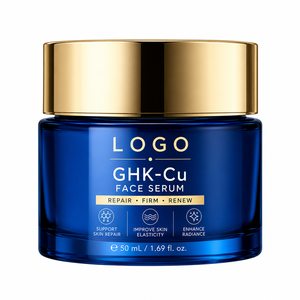
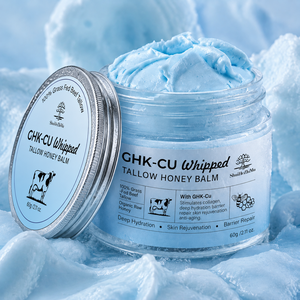
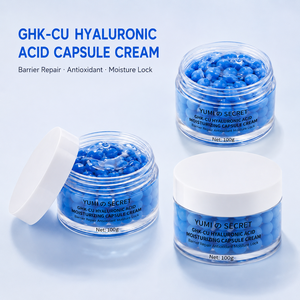
- Copper Tripeptide-1 (GHK-Cu): Recognized in dermatological literature for its ability to enlarge hair follicle size, stimulate angiogenesis around the dermal papilla, and inhibit the pathways responsible for premature follicular miniaturization.
- Polydeoxyribonucleotide (PDRN): Sourced via bio-fermentation or salmon DNA extraction, PDRN acts as a tissue repair activator, reversing localized micro-inflammation on damaged scalp tissue and revitalizing dormant roots.
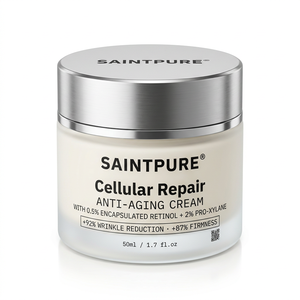
- Pro-Xylane & Glycosaminoglycan (GAG) Synthesizers: Originally developed for anti-aging skincare, Pro-Xylane reinforces the extracellular matrix surrounding the hair root, anchoring the hair shaft and reducing mechanical shedding.
- Micro-Encapsulated Retinol & Botanical Actives: Delivering controlled-release actives to regulate sebum secretion without compromising the protective scalp lipid barrier.
- Grass-Fed Tallow & Bio-Lipids: Rich in bio-identical fatty acids (palmitic, oleic, and stearic acids), offering non-comedogenic deep moisture restoration for dry, chemically treated hair and flaky scalps.
| Formulation Category |
Core Active Payload |
Target Trichological Action |
Regulatory Export Compliance |
| Anti-Hair Loss Scalp Serum |
GHK-Cu (2.5%), PDRN, Saw Palmetto Extract |
Follicular nourishment, DHT pathway modulation |
US FDA, EU CPNP, JAKIM Halal |
| Microbiome Balance Hair Wash |
Pre/Post-biotics, Zinc PCA, Hydrolyzed Collagen |
Sebum regulation, malassezia yeast control |
ISO 22716, ASEAN Cosmetic Directive |
| Deep Structural Hair Masque |
Pro-Xylane, Bio-Tallow Lipids, Arbutin/Peptides |
Cortex lipid replenishment, shine enhancing |
NPRA Registered, Clean Beauty Benchmark |
| Thermal Shield Leave-In Fluid |
Encapsulated Hyaluronic Acid, Silk Amino Acids |
Hygroscopic heat protection up to 230°C |
Global REACH Compliant, Cruelty-Free |
3. Strategic Future Procurement Trends for Global B2B Buyers (2025–2030)
Procurement directors and supply chain managers evaluating OEM exporters must look beyond unit price to assess long-term enterprise viability. The following four macro-trends are redefining contract manufacturing terms globally:
Trend 1: Transition from Basic Private Labeling to Turnkey ODM Engineering
Standard white-label catalog procurement is declining in favor of full-turnkey ODM (Original Design Manufacturing) models. Modern brand owners require contract partners who manage raw material sourcing, stability testing, compatibility testing in primary packaging, and customized sensory profiling (texture, rheology, fragrance release mechanics).
Trend 2: Rigorous Sourcing Traceability & Bio-Fermentation
Consumer scrutiny over ingredient sourcing requires OEM factories to provide complete supply chain transparency. Exporters must supply Certificate of Analysis (CoA) records proving non-GMO origin, sustainable botanical harvesting, ethical tallow sourcing, and bio-fermented peptide synthesis free from heavy metal contamination.
Trend 3: Sustainable Packaging Integration & Micro-Dose Delivery
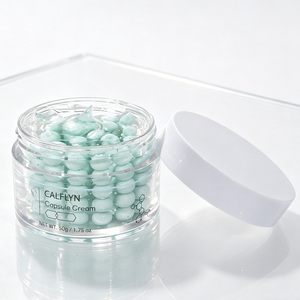
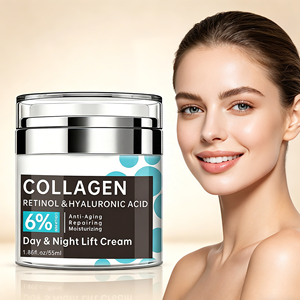
Exporters capable of integrating PCR (Post-Consumer Recycled) plastics, biodegradable aluminum tubes, and specialized unit-dose capsule dispensing systems (such as pearl ball capsules and single-use twist-off ampoules) are capturing market share. Precision dosing protects sensitive actives like Retinol and Copper Peptides from photo-degradation and atmospheric oxidation.
Trend 4: Transnational Regulatory Harmonization & Halal Certification
With the Middle East, Southeast Asia, and North America representing high-growth markets for premium personal care, OEM manufacturers with recognized Halal (JAKIM/MUI) certifications alongside GMP and ISO standards allow global brands to market identical product lines seamlessly across Western and Islamic demographic sectors without reformulating.
4. Enterprise Infrastructure & Manufacturing Capability Benchmarks
To qualify as a premier Top 10 OEM Hair Care Solutions Exporter, a contract manufacturing facility must operate under strict pharmaceutical-grade conditions. Key operational benchmarks include:
Cleanroom Environment (ISO Class 8)
HEPA-filtered HVAC systems ensuring controlled microbial and particulate counts across mixing, holding, and automated filling lines.
Analytical Quality Control
In-house HPLC, Viscometry, and Microbiological Testing Units verifying batch-to-batch consistency and shelf-life stability prior to release.
Cold-Chain & Bulk Freight Logistics
Temperature-regulated warehousing and containerized export procedures protecting delicate bio-active proteins during maritime transits.
5. Frequently Asked Questions (FAQ) for B2B Importers & Brand Owners
Q
What are the minimum order quantities (MOQs) for custom OEM hair care and face cream formulations?
MOQs vary based on packaging customization and active ingredient complexity. Standard pilot production runs start at 1,000 to 3,000 units per SKU for stock formulations using standard packaging. Fully customized ODM formulas requiring specialized primary packaging (such as dual-chamber tubes, pearl capsules, or Gua Sha integrated applicators) typically require 5,000 to 10,000 units.
Q
How do you ensure formulation stability and active efficacy during long-distance export transport?
All formulations undergo rigorous accelerated stability testing (45°C/75% RH for 12 weeks), freeze-thaw challenge cycles, and photo-stability testing. We utilize high-barrier packaging solutions—such as airless pumps, aluminum-lined tubes, and light-blocking amber containers—alongside stabilizing antioxidant systems to guarantee shelf life for up to 36 months under international transit conditions.
Q
Can your facility provide full export documentation and international regulatory dossier support?
Yes. As an established global exporter, we supply comprehensive regulatory dossiers including Certificate of Free Sale (CFS), Certificate of Analysis (CoA), Safety Data Sheets (MSDS/SDS), INCI ingredient breakdowns, Heavy Metal & Microbial Test Reports, and Halal certification docs required by customs authorities across the US, EU, Middle East, and Asia-Pacific.
Q
What is the typical development timeline from initial sample formulation to final export delivery?
The standard R&D sampling and lab iteration phase takes 10 to 14 working days. Once the sample is approved and stability testing is validated, mass production and filling require approximately 3 to 4 weeks. Total lead time from contract signing to factory dispatch ranges between 6 to 8 weeks, depending on component procurement lead times.
Q
Do you offer IP protection and custom formulation exclusivity for private label clients?
Absolute intellectual property protection is guaranteed under non-disclosure agreements (NDAs) signed prior to project kickoff. Custom formulations developed specifically for your brand remain your exclusive proprietary property upon meeting agreed commercial manufacturing volumes.
Partner with Malaysia's Leading OEM/ODM Manufacturing Exporter
Accelerate your brand expansion with clinically validated hair care and cosmeceutical formulations engineered for global export compliance.